


Winterizing Your Car’s Windshield Washer System Effectively
June 13, 2026
Key Points:
● Winter windshield washer fluid helps prevent freezing in cold temperatures.
● Frozen washer systems can reduce visibility and create safety risks.
● Replacing summer fluid before winter arrives is an important maintenance step.
● Regular inspections of nozzles, hoses, and wiper blades improve system performance.
● Proper winterization can prevent costly repairs and inconvenient breakdowns.
Estimated Reading Time: 11 minutes┃Post by: Rowan Mercer
A parent is driving home after picking up children from an evening sports practice. Snow is falling lightly, road salt is spraying from nearby vehicles, and visibility is already limited. Suddenly, the windshield becomes coated with dirty slush. The driver activates the washer system, expecting a quick spray of cleaning fluid. Nothing happens. The reservoir contains fluid, but the lines have frozen.
Situations like this occur every winter. While many drivers remember to check tire pressure or battery health before cold weather arrives, the windshield washer system often receives little attention. Yet this system plays a direct role in maintaining visibility during snowstorms, freezing rain, and salt-covered road conditions.

Winterizing the windshield washer system is one of the simplest and most affordable forms of vehicle preparation. A few minutes of preventive maintenance can reduce the risk of frozen fluid, damaged components, and dangerous visibility problems. Winter-rated washer fluid can remain liquid at temperatures ranging from approximately -20°F to -40°F depending on the formulation, while summer blends may freeze near 32°F.
For families who rely on their vehicles for school runs, grocery shopping, medical appointments, and holiday travel, maintaining clear visibility is not optional. It is an essential safety practice.
Why the Windshield Washer System Matters More in Winter
The windshield washer system is designed to spray cleaning fluid onto the windshield, allowing the wiper blades to remove dirt, debris, bugs, and road contaminants.
● Winter introduces unique challenges:
● Road salt accumulates rapidly.
● Snow and slush obscure vision.
● Freezing rain leaves residue on glass.
● Traffic spray creates a dirty film.
According to winter driving guidance, visibility systems—including washer fluid and wiper blades—should be considered critical winter safety equipment.
Common Winter Visibility Hazards
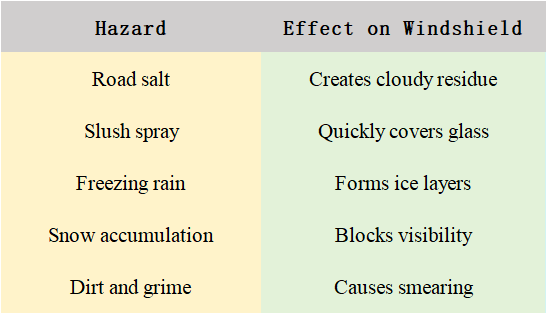
A functioning washer system helps remove these contaminants before they become a serious safety issue.
Why Washer Systems Freeze?
Many parents are surprised to discover that windshield washer fluid can freeze. The reality is simple: not all washer fluids are designed for winter conditions.
Summer fluids prioritize cleaning power and bug removal. Many contain large amounts of water and may freeze when temperatures reach the freezing point. Winter fluids contain higher concentrations of antifreeze agents such as methanol or ethanol, allowing them to remain liquid at much lower temperatures.
Components Most Vulnerable to Freezing
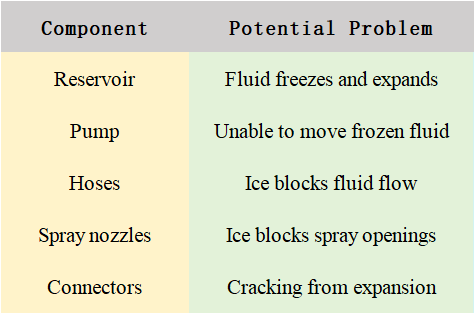
Frozen fluid can even damage reservoirs, hoses, or pumps because water expands as it turns to ice.
How to Winterize Your Windshield Washer System: Step-by-Step Guide
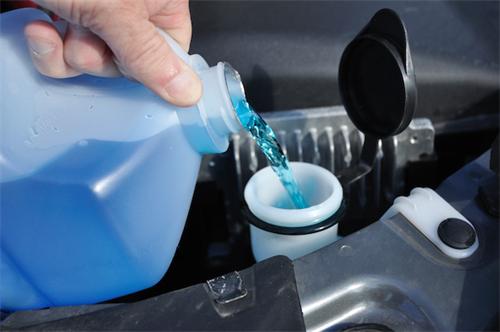
Step 1: Remove Summer Washer Fluid
Drain or spray out most of the summer fluid before winter begins. Mixing it with winter fluid reduces freeze protection. Once nearly empty, refill with winter-rated fluid and run the system to flush the lines and nozzles completely.
Recommended Process
Spray existing fluid until the reservoir is nearly empty.
● Refill with winter-rated fluid.
● Activate the washer system several times.
● Allow winter fluid to circulate through hoses and nozzles.
● This process ensures that the entire system contains freeze-resistant fluid.
Many vehicle owners overlook the fluid trapped inside hoses and spray lines. Even if the reservoir contains winter fluid, residual summer fluid inside the lines can freeze first.
Step 2: Choose the Right Winter Washer Fluid
Select a washer fluid rated for temperatures lower than your local winter lows (typically -20°F to -40°F). The colder your region, the stronger the freeze resistance you need. This helps prevent freezing in both the reservoir and spray system.
Typical Ratings
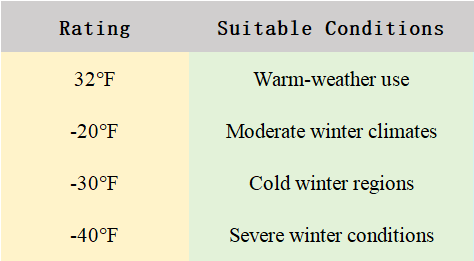
Winter driving experts recommend selecting a fluid rated below the coldest temperatures expected in your area.
Step 3: Inspect the Reservoir
Check the washer tank for cracks, leaks, or a loose cap. Even small damage can cause leaks or freezing issues. Make sure the fluid level is sufficient before cold weather sets in.
Before winter:
● Check for cracks.
● Look for discoloration.
● Verify the cap seals properly.
● Confirm fluid levels are adequate.
A cracked reservoir may leak slowly and leave the system empty when it is needed most.
Step 4: Check the Spray Nozzles
Inspect nozzles for clogs, buildup, or uneven spray. Clean them gently using warm water or compressed air if needed. Clear nozzles ensure consistent spray coverage in winter conditions.
Step 5: Replace Worn Wiper Blades
Old or damaged blades reduce visibility in snow and slush. Replace any blades that streak, skip, or crack. Winter-rated blades perform better in ice and freezing temperatures.
Step 6: Test the System
Activate the washer system after setup to confirm proper operation. Check that fluid sprays evenly, reaches the full windshield, and that wipers clear effectively. Address any weak flow or blockage immediately.
Step 7: Prevent Future Freezing
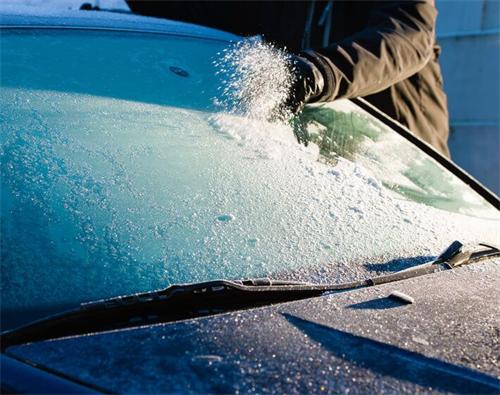
Keep the reservoir at least half full and use the washer system regularly to circulate fluid. Park in a garage when possible and remove ice buildup before driving. These habits help prevent freezing during deep cold spells.
Helpful Practices
Keep the Reservoir Full
A fuller reservoir is generally less vulnerable to temperature fluctuations than a nearly empty tank. Many experienced drivers maintain at least half a reservoir throughout winter.
Park Indoors When Possible
A garage can keep temperatures several degrees warmer than outdoor conditions.
Use the System Regularly
Occasional use helps circulate fluid through the lines.
Remove Ice Before Driving
Scraping thick ice from the windshield reduces strain on both the washer system and wiper blades.
Conclusion
Winter weather creates enough challenges without adding frozen windshield washer systems to the list. Snow, slush, road salt, and freezing rain demand clear visibility, especially when transporting children and family members.
Replacing summer fluid with winter-rated formulations, inspecting hoses and nozzles, maintaining healthy wiper blades, and testing the system before temperatures plunge are practical steps that reduce risk and improve safety. Winter-rated fluids can remain effective at temperatures far below freezing, helping drivers maintain visibility when road conditions are at their worst.
A properly winterized windshield washer system may not attract much attention, but on a snowy morning commute, it can make a significant difference.
(This article is intended for informational and educational purposes only. Vehicle designs and maintenance requirements vary by manufacturer and model year. Always consult your owner's manual and follow manufacturer recommendations before performing maintenance. If you are uncertain about any repair or inspection procedure, seek assistance from a qualified automotive technician.)
FAQs
1. Can I use water instead of windshield washer fluid during winter?
No. Water freezes at 32°F and can damage reservoirs, pumps, hoses, and nozzles. Winter-rated washer fluid contains antifreeze agents that help prevent freezing.
2. How often should I refill windshield washer fluid during winter?
Check the level at least every two weeks during heavy winter driving. Frequent exposure to road salt and slush can increase fluid consumption.
3. Why does my washer fluid freeze on the windshield even when the bottle says -30°F?
The rating generally refers to fluid stored in the reservoir. Once sprayed as a thin mist onto a cold windshield, freezing can occur more quickly under certain conditions.
About Author
Rowan Mercer is a fictional automotive safety writer who specializes in practical vehicle maintenance topics for families. With more than a decade of experience researching seasonal vehicle care, Rowan focuses on helping parents improve safety, reliability, and operating efficiency through preventive maintenance strategies that are easy to understand and implement.
References
Christian Brothers Automotive. (2026). What to do when your windshield wiper fluid freezes.
Michelin North America. (2026). Winterize your car: Essential fluid, battery & visibility checks.
Prestone Products Corporation. (2026). Prestone de-icer winter windshield washer fluid.
Weather Daily. (2026). Windshield wiper fluid: Why water isn't enough in winter.
Stay awhile and explore more articles on this blog for practical family-focused vehicle tips that make everyday driving safer, easier, and more predictable throughout the year.
Recommended for you: