



How to Reduce Driver Fatigue Caused by Cabin Acoustics — Improves Long-Distance Comfort
June 10, 2026
In this Article:
● Cabin acoustics can significantly contribute to driver fatigue during long-distance trips.
● Tire noise, wind noise, and vibration are often more exhausting than engine noise.
● Proper maintenance can noticeably improve acoustic comfort inside a vehicle.
● Small upgrades such as quieter tires and improved sealing can reduce fatigue.
● A quieter cabin helps drivers stay comfortable, focused, and alert for longer periods.

Estimated Reading Time: 11 minutes┃Post by: Mason Hartley
A driver finishes a 400-mile road trip and feels surprisingly exhausted despite light traffic, comfortable weather, and relatively smooth roads. Another driver completes the same journey in a different vehicle and arrives feeling much more relaxed. The difference may not be the seats, suspension, or climate control system. In many cases, the answer lies in cabin acoustics.
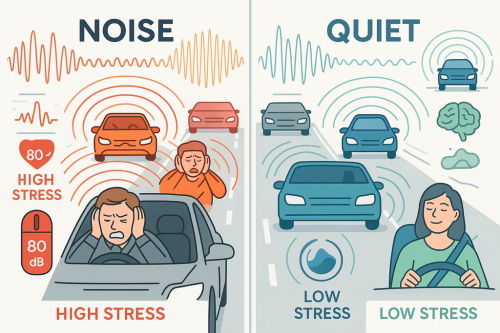
Most drivers recognize obvious sources of fatigue such as poor posture, heavy traffic, or lack of sleep. Far fewer realize that continuous exposure to unwanted sound can gradually increase mental workload. The human brain constantly processes background noise, even when the driver is not consciously paying attention to it. Over several hours, this ongoing sensory processing can contribute to stress, reduced concentration, and a feeling of exhaustion.
Automotive engineers refer to this area as NVH, which stands for Noise, Vibration, and Harshness. Modern vehicle manufacturers invest enormous resources in NVH development because customer comfort is strongly influenced by how a vehicle sounds and feels on the road. Research has shown that tire-road interaction, engine-transmission systems, aerodynamic airflow, and vibration transfer paths all contribute to the acoustic environment experienced by occupants. Tire-road noise often contributes more interior noise than the powertrain at many driving speeds.
To understand why cabin acoustics matter, consider a simple example.
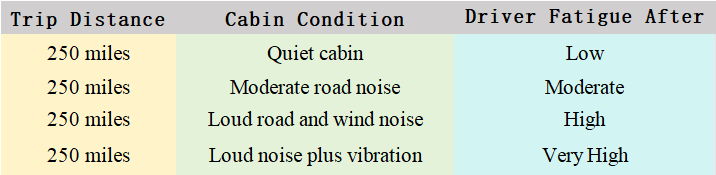
The difference is rarely noticeable during the first 20 minutes of driving. It becomes obvious after two, three, or four hours on the highway.
Understanding the Major Sources of Cabin Noise
Many drivers assume the engine is the primary source of unwanted noise. While that was often true decades ago, modern vehicles have become much quieter mechanically. As engines become more refined, other noise sources become more noticeable.
The three dominant contributors to interior noise are:
1. Tire-road interaction
2. Aerodynamic wind noise
3. Structural vibration
Studies examining vehicle interior acoustics have found that tire-road noise frequently becomes the dominant contributor to cabin sound levels during normal highway driving. Engineers increasingly focus on tire-generated noise because it strongly affects occupant comfort.
The following table illustrates typical noise sources during highway travel.
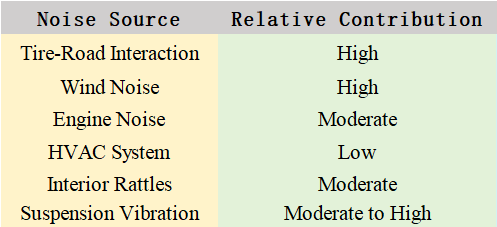
Wind noise becomes increasingly important as speed rises. Research into vehicle aerodynamic acoustics notes that as traditional powertrain noise decreases, aerodynamic noise becomes a larger contributor to cabin sound levels.
Drivers often experience these noises differently.
A high-pitched whistle near a door mirror may become irritating after an hour. A low-frequency drone from tires can create a feeling of mental fatigue even when the sound is not especially loud. Structure-borne vibrations transmitted through the floor, steering wheel, or seats can also make occupants feel less comfortable.
This explains why two vehicles measuring similar decibel levels may feel dramatically different during a long journey.
How Cabin Acoustics Create Driver Fatigue
The brain continuously evaluates sound information. Unexpected noises, repetitive frequencies, and vibration patterns require mental processing.
Imagine driving on coarse asphalt for three hours. The vehicle generates a constant low-frequency roar from the tires. Wind flows around the mirrors and roof, producing additional turbulence noise. Small vibrations travel through the chassis and into the cabin.
None of these sounds are individually severe.
Together, they create a continuous sensory load.

The result can include:
● Reduced concentration
● Increased stress
● Faster onset of fatigue
● Greater perceived trip length
● Lower driving enjoyment
Many drivers describe this phenomenon as feeling "drained" after a trip despite not performing any physically demanding activity.
Automotive comfort researchers have long recognized that improving acoustic comfort contributes directly to a better driving experience. Vehicle manufacturers increasingly treat cabin acoustics as a key factor influencing customer satisfaction.
Practical Methods to Reduce Acoustic Fatigue
Choose Tires Carefully
Tires have a larger influence on cabin comfort than many drivers realize.
Different tread designs generate different sound signatures. Aggressive all-terrain tires often produce substantially more road noise than touring-oriented tires.
Research examining interior noise sources found that tire-road interaction contributes significantly to both interior noise and vibration levels. Road surface texture and tire type both influence cabin comfort.
Consider the following comparison.
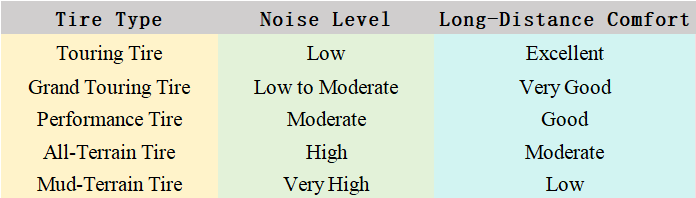
Drivers who frequently take highway trips should prioritize low-noise tire designs whenever possible.
Maintain Proper Tire Pressure
Incorrect tire pressure affects more than fuel economy.
Overinflated tires may increase vibration and road harshness. Underinflated tires can create irregular wear patterns that generate additional noise.
Checking tire pressure monthly helps maintain consistent acoustic performance and ride comfort.
Inspect Weather Seals
Door seals and window weather stripping gradually deteriorate over time.
Small gaps may allow aerodynamic noise to enter the cabin.
Common symptoms include:
● Increased wind noise above 50 mph
● Whistling sounds near windows
● Uneven noise levels from one side of the vehicle
Replacing worn seals is often one of the most cost-effective ways to improve cabin comfort.
Eliminate Interior Rattles
Loose trim pieces, cargo items, and worn interior fasteners can create surprisingly distracting noises. Drivers often underestimate how mentally tiring repetitive rattles become during a long trip. Common culprits include:
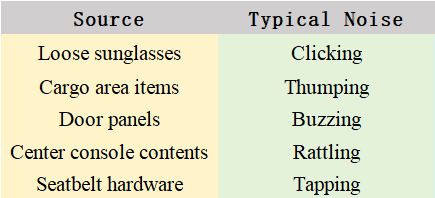
Removing these noises may not dramatically lower decibel levels, but it often improves perceived comfort.
Address Suspension Problems
Worn suspension components can transmit vibration into the cabin. Research on vehicle structure-borne noise indicates that road input, suspension systems, and vibration transfer paths contribute significantly to interior acoustic conditions.
A suspension inspection may be worthwhile if the vehicle exhibits:
● Excessive vibration
● Harsh impacts over bumps
● Increased booming sounds
● Unusual tire wear
Even relatively minor suspension issues can influence long-distance comfort.
Driving Habits That Improve Acoustic Comfort
Reducing fatigue is not solely about vehicle modifications.
Driver behavior also plays an important role.
Keep Windows Closed at Highway Speeds
Open windows create turbulence that dramatically increases cabin noise.
At city speeds, this effect is relatively minor.
At highway speeds, it becomes substantial.
Using the climate-control system instead of partially open windows can noticeably reduce noise exposure during long trips.
Remove Unused Roof Accessories
Roof racks, cargo boxes, and bike carriers disturb airflow.
Even when empty, these accessories can create additional aerodynamic noise.
Drivers who only occasionally use them should consider removing them between trips.
Use Audio Strategically
Low-volume music, podcasts, or audiobooks can sometimes improve comfort by masking unpleasant road noise.
The key is moderation.
Very loud audio systems simply replace one source of fatigue with another.
Schedule Regular Breaks
No acoustic improvement can completely eliminate the effects of prolonged driving.
A useful guideline is:

Combining rest periods with hydration and light movement helps maintain alertness throughout long journeys.
Driver fatigue is not caused solely by long hours behind the wheel. The acoustic environment inside a vehicle plays a major role in determining how comfortable and alert a driver remains throughout a journey.
Tire noise, wind turbulence, vibration, and interior rattles may seem insignificant individually. Over hundreds of miles, however, these factors combine to create a continuous sensory burden that can increase stress and reduce comfort.
Fortunately, reducing acoustic fatigue does not always require expensive upgrades. Proper tire selection, maintaining correct tire pressure, repairing worn seals, eliminating rattles, and keeping suspension components in good condition can all make a noticeable difference.
A quieter cabin does more than make a vehicle feel luxurious. It helps drivers remain comfortable, focused, and less fatigued, turning long-distance travel into a far more enjoyable experience.
(This article is intended for informational and educational purposes only. Vehicle acoustic performance varies depending on vehicle design, tire selection, maintenance condition, road surface, driving speed, and environmental factors. Readers should consult qualified automotive professionals before performing repairs or modifications.)
FAQs
1. Is road noise more important than engine noise on modern highways?
In many modern vehicles, tire-road interaction becomes a larger contributor to cabin noise than engine-related sounds during highway driving.
2. Can quieter tires really reduce fatigue?
Yes. Lower-noise tires can reduce continuous exposure to road-generated sound, making long-distance driving more comfortable and less mentally tiring.
3. Do luxury vehicles experience less acoustic fatigue?
Generally, yes. Luxury vehicles often incorporate additional insulation, acoustic glass, and advanced NVH engineering that help reduce unwanted cabin noise and vibration.
About Author
Mason Hartley is a fictional automotive journalist and vehicle-comfort specialist with more than twelve years of experience researching NVH engineering, long-distance driving ergonomics, and automotive technology. His work focuses on helping everyday drivers understand how vehicle design influences comfort, fatigue, and overall ownership satisfaction.
References
Lee, S., Lee, S., & Cheong, C. (2022). Development of high-fidelity numerical methodology for prediction of vehicle interior noise due to external flow disturbances using LES and vibroacoustic techniques. Applied Sciences.
Car and Driver. (2025). Fortunate sones: We're changing the way we measure interior noise in cars.
Stay awhile and explore more articles on this blog to discover practical ways to make every drive quieter, safer, smoother, and more enjoyable.
Recommended for you: