


Detecting Early Signs of Brake Pad Wear Before It Becomes Dangerous
June 10, 2026
Key Points:
● Regular inspections can prevent costly repairs to your braking system.
● Squealing or grinding noises are early indicators of brake pad wear.
● Visual checks and measuring pad thickness help you monitor brake health.
Estimated Reading Time: 12 minutes┃Post by: Alex Carter
Brake pads are one of the most critical safety components of any vehicle. As a parent, ensuring your car is safe for family trips is non-negotiable. Unfortunately, many drivers only notice brake issues once a grinding sound appears or stopping distance noticeably increases—by then, the damage can already be expensive and hazardous. Detecting brake pad wear early is not just about saving money; it’s about protecting lives.
How Brake Pad Wear Actually Happens in Daily Driving
Brake pads work by pressing a friction material against a spinning metal rotor. Every stop—whether it’s a gentle slowdown at a red light or a sudden highway stop—removes a microscopic layer of that material. Over thousands of cycles, this adds up.
Driving conditions strongly affect wear rate. A commuter in heavy city traffic may replace pads twice as often as someone who drives mostly on highways. Stop-and-go driving generates repeated heat cycles, and heat accelerates friction material breakdown. Typical lifespan ranges give a clearer picture of what most drivers experience:
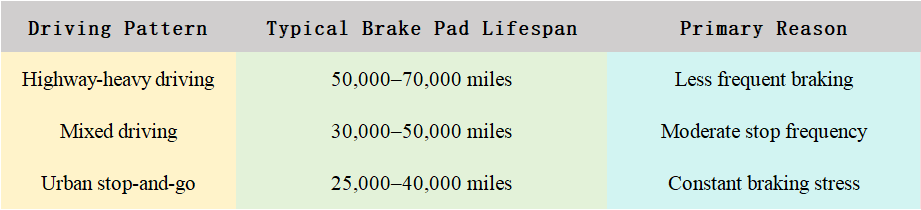
These numbers are not fixed limits—they are patterns observed in everyday driving conditions.
Early Warning Signs You Can Hear, Feel, and See
Brake pad wear usually announces itself in three ways: sound, sensation, and performance change. Each stage reflects a deeper level of wear.
1. Sound Changes (First Warning Stage)
One of the earliest indicators is a high-pitched squealing noise when braking. This sound is typically produced by a built-in wear indicator—a small metal tab that touches the rotor when pad material becomes thin.
At this stage, braking still works normally, but the pad is nearing the end of its usable life. Many drivers mistakenly ignore this noise because the car still “feels fine,” but it is intentionally designed as an alert.
2. Grinding or Scraping (Critical Warning Stage)
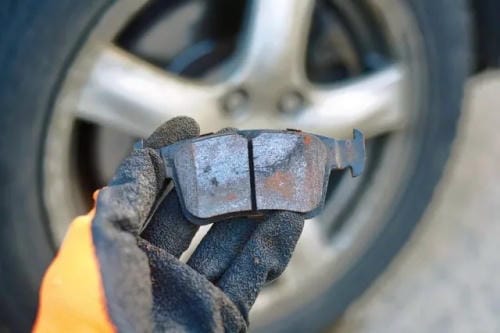
If wear continues, the friction material can fully disappear in spots, exposing the metal backing plate. At this point, a harsh grinding sound appears during braking. This is metal contacting metal, and it can quickly damage the rotor surface.
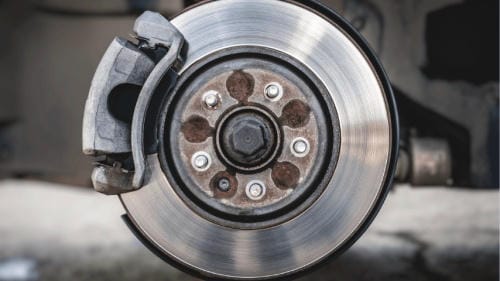
Once this happens, repair costs rise sharply because rotors often need resurfacing or full replacement.
3. Changes in Brake Pedal Feel
Drivers often notice subtle changes before sound becomes obvious:
● Brake pedal feels “softer” or travels further down
● Vehicle takes longer to stop
● Braking feels inconsistent under light pressure
These symptoms indicate reduced friction efficiency even if the pads are not completely worn out.
Visual Inspection: What You Can Check in 60 Seconds
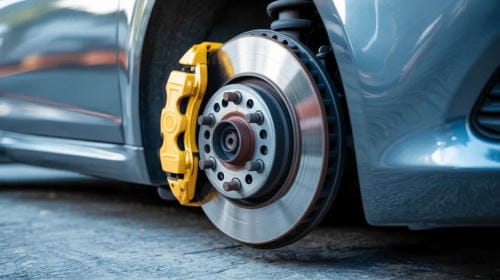
A simple visual inspection can be done without removing the wheel in many cars. By looking through the wheel spokes with a flashlight, you can observe the outer brake pad. What matters most is remaining thickness of friction material, not the metal backing plate.
A practical reference scale:
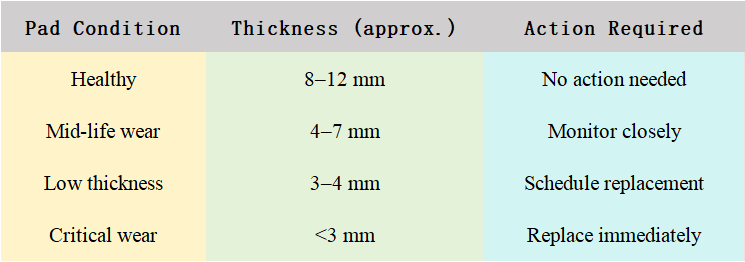
Once pads approach 3 mm, braking performance can degrade quickly and rotor damage becomes likely.
Another visual cue is the wear indicator groove. When this groove disappears, the pad is effectively at end-of-life.
Consequences of Ignoring Brake Pad Wear
Ignoring early signs can quickly escalate into serious problems. Worn brake pads can damage rotors, leading to costly repairs often exceeding $500–$800 per axle. In severe cases, brake failure can cause accidents, risking injury to your family. By contrast, replacing brake pads typically costs $100–$250 per axle, making timely maintenance far more economical.
Maintaining Brake Health
Regular Brake Inspections
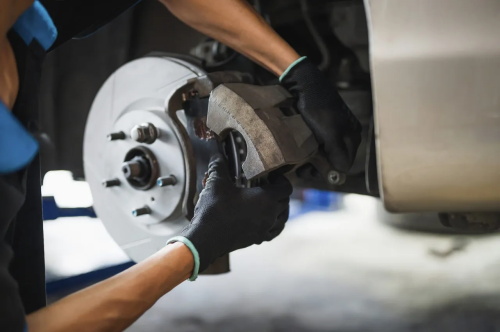
Brake systems should be inspected every 10,000–15,000 miles, often during oil changes. Technicians check pad thickness, rotor wear, and caliper function. Pads below 3–4 mm should be scheduled for replacement soon to avoid rotor damage and reduced braking efficiency.
Brake Fluid Condition
Brake fluid absorbs moisture over time, reducing braking consistency. It should be checked annually and typically replaced every 2–3 years. Old fluid can cause a soft or spongy pedal and weaker braking under heavy use.
Driving Habits Matter
Smooth, gradual braking helps extend brake life. Hard or late braking increases heat, which accelerates pad wear and can cause glazing. City driving usually wears brakes faster than highway driving due to frequent stops.
Cleaning and Hardware Care
Brake dust buildup can affect performance if ignored. Cleaning during tire rotations helps maintain smooth operation. Proper lubrication of caliper guide pins prevents uneven wear and reduces noise or vibration.
Tires and Alignment Impact
Poor alignment or uneven tire pressure can cause uneven braking loads. This leads to faster wear on specific pads and can cause the vehicle to pull during braking. Proper tire maintenance supports stable braking performance.
Early Warning Awareness
Small changes like squealing, mild vibration, or longer stopping distances should not be ignored. Addressing these early helps prevent rotor damage and keeps repair costs lower.
By following these practical steps, parents can ensure that their vehicle remains safe, reliable, and ready for unexpected stops—whether driving to school, grocery trips, or family vacations.
(This article is intended for informational purposes only and should not replace professional automotive advice. Always consult a certified mechanic for vehicle-specific guidance.)
FAQs
1. How often should I inspect my brake pads visually?
Monthly visual inspections are recommended. This simple habit helps catch early wear before it escalates.
2. Can brake pads fail suddenly without warning?
Rarely. Most pads show early signs such as squealing or longer stopping distances. Routine checks drastically reduce the risk of sudden failure.
3. Are all brake pads the same thickness?
No. Thickness varies by vehicle type and manufacturer. Always refer to your owner’s manual for specifications.
About Author
Alex Carter is an automotive safety specialist and parent of two, with over a decade of experience in vehicle maintenance education. Alex focuses on helping families maintain safe cars while avoiding unnecessary repair costs.
References
National Highway Traffic Safety Administration. (2023). Brake system safety tips.
Consumer Reports. (2022). Brake pad maintenance guide.
YourMechanic. (2023). How to detect worn brake pads.
Stay on this blog to explore more practical tips that help parents keep both their families and vehicles safe.
Recommended for you: