



Why Your Car Shakes When Braking and How to Fix It Cheaply
June 17, 2026
Key Highlights
● Brake vibration is often caused by uneven brake rotors.
● Suspension components can also create shaking during braking.
● Ignoring the problem may increase stopping distance.
● Some fixes cost far less than a complete brake replacement.
● Early diagnosis can prevent expensive repairs later.

Estimated Reading Time: 10 minutes┃Post by: Rowan Mercer
Few vehicle problems get a driver's attention faster than a steering wheel that suddenly begins shaking while braking. The good news is that brake-related vibrations are usually caused by a handful of common issues. In many cases, the repair is far less expensive than drivers initially fear.
According to multiple automotive service sources, uneven brake rotor thickness is the most common cause of vehicle vibration during braking. When the brake pads clamp onto a rotor that is not perfectly uniform, the braking force changes slightly with each rotation, creating the vibration that drivers feel through the steering wheel or brake pedal.
To understand the problem, imagine holding a perfectly smooth dinner plate and spinning it. If the plate remains perfectly flat, it rotates smoothly. Now imagine the plate has tiny high and low spots around its surface. As
Brake rotors work similarly. They are designed to have a smooth, uniform surface. Over thousands of miles, however, heat, friction, and wear can create microscopic variations in thickness. These variations cause the brake pads to grip unevenly, producing a pulsing sensation. Mechanics often refer to this condition as rotor thickness variation rather than "warped rotors."
Common Symptoms and Their Meanings
The location of the vibration often provides clues about the source of the problem.
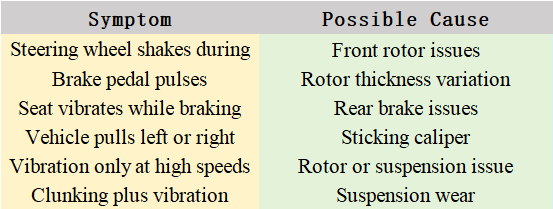
Technicians frequently use these symptoms to narrow down the diagnosis before inspecting the vehicle. Steering-wheel vibration typically points toward the front brakes because the steering system is directly connected to the front wheels.
The Most Common Culprit: Brake Rotors
Brake rotors absorb enormous amounts of heat. Consider a midsize SUV traveling at 65 mph. During a hard stop, the braking system converts the vehicle's kinetic energy into heat. The front rotors may reach temperatures exceeding several hundred degrees Fahrenheit.
Over time, repeated heating and cooling cycles can create uneven wear patterns. Heavy stop-and-go traffic, mountain driving, towing, and aggressive braking habits accelerate this process. Once the rotor surface becomes uneven, every brake application creates a small pulse. That pulse is transmitted through the suspension and steering components.
The issue may begin subtly. A driver might notice a slight vibration only during highway exits. Several months later, the same vibration may occur during nearly every stop. Automotive experts consistently identify uneven rotors as the leading cause of brake shudder complaints.

When Suspension Parts Are Actually Responsible
Not every brake vibration originates in the braking system.
Suspension components are responsible for keeping the wheels properly aligned and stable during braking. When these components wear out, braking forces can cause excessive movement.
Parts that commonly contribute to braking vibration include:
● Control arm bushings
● Ball joints
● Tie rod ends
● Wheel bearings
● Strut mounts
A worn control arm bushing, for example, may allow the wheel assembly to move rearward slightly when braking. That movement can create vibrations that closely resemble rotor problems. Many mechanics report cases where customers replaced brake components only to discover that suspension wear was the real culprit.
Automotive discussions among technicians and experienced vehicle owners frequently mention lower control arm bushings as an overlooked cause of brake-induced shaking.
Sticking Brake Calipers
Brake calipers push the brake pads against the rotors. Ideally, they move freely and apply even pressure.
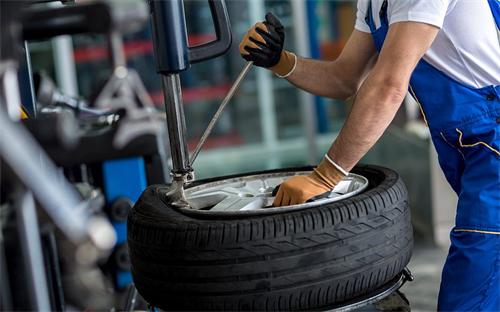
However, corrosion, dirt, or lack of lubrication can cause a caliper to stick. When this happens, one brake pad may remain in contact with the rotor longer than intended. The result is excessive heat, uneven wear, and vibration.
Drivers often notice additional warning signs when a caliper sticks:
● Vehicle pulls to one side
● Burning smell after driving
● Uneven brake pad wear
● Reduced fuel economy
● Excessive brake dust on one wheel
A sticking caliper can quickly damage otherwise healthy rotors and brake pads. Addressing the issue early often prevents more expensive repairs later.
How to Diagnose the Problem Yourself
Before scheduling expensive repairs, perform several simple observations.
First, determine whether the vibration occurs only while braking. If the vehicle shakes at highway speeds even when you are not touching the brakes, tire balance or wheel alignment may be contributing factors.
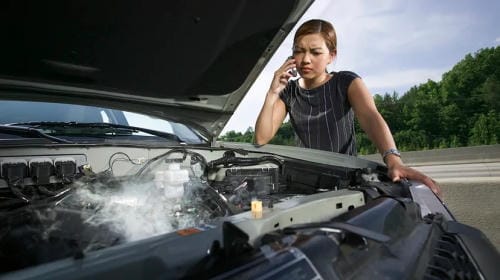
Second, pay attention to where you feel the vibration. A shaking steering wheel often indicates front brake issues, while vibrations through the seat can suggest rear brake involvement.
Third, inspect your brake pads if you have experience working on vehicles. Uneven pad wear may indicate a sticking caliper or hardware problem.
Finally, notice whether the vehicle pulls left or right while braking. Pulling frequently accompanies caliper or suspension issues.
Cheap Fixes to Try First
Not every vibration requires a complete brake job.
In some cases, a simple inspection can reveal an inexpensive solution.
Start by checking wheel lug nut torque. Unevenly tightened lug nuts can contribute to rotor runout and vibration. Several experienced mechanics note that improper wheel installation is a surprisingly common source of brake shudder complaints.
Next, inspect the wheel hub for corrosion. Rust buildup between the rotor and hub can prevent the rotor from sitting perfectly flat.
Caliper slide pins should also move freely. Cleaning and lubricating them may restore proper brake operation at minimal cost.
If these inexpensive fixes do not solve the issue, rotor resurfacing or replacement becomes the next logical step.
Is It Safe to Keep Driving?
Many drivers continue driving with mild brake vibration for months. While the vehicle may remain operational, the problem should not be ignored.
Brake vibration often becomes progressively worse over time. Uneven rotors can accelerate brake pad wear, while suspension-related causes may affect vehicle stability during emergency maneuvers. Several automotive experts caution that delaying repairs can reduce braking performance and increase overall repair costs.
The safest approach is to investigate the cause as soon as symptoms appear.
Preventing Future Brake Problems
Preventive maintenance can significantly extend brake component life.
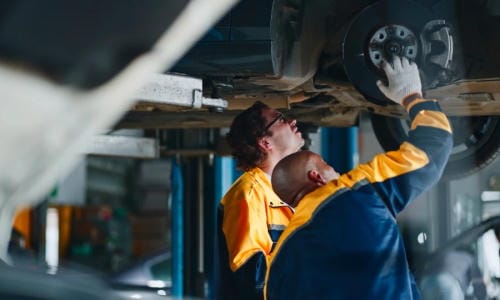
Avoid repeated hard stops whenever possible. When descending long hills, use engine braking techniques where appropriate instead of continuously riding the brakes.
After a hard stop, avoid holding the brake pedal excessively if the brakes are extremely hot. This can contribute to uneven pad material transfer onto the rotor surface.
Regular inspections of suspension components, wheel bearings, and brake hardware can also identify developing issues before they become expensive repairs.
Final Thoughts
A vehicle that shakes during braking is sending a message that something in the braking or suspension system requires attention. In most cases, uneven brake rotors are responsible, but worn suspension components, sticking calipers, wheel bearings, and brake hardware can create similar symptoms.
The encouraging news is that many causes are straightforward to diagnose and relatively inexpensive to fix when addressed early. A careful inspection can often reveal whether the solution is a simple maintenance procedure, a brake service, or a targeted suspension repair.
By responding quickly rather than ignoring the warning signs, drivers can maintain safer braking performance while avoiding larger repair bills in the future.
(This article is intended for informational and educational purposes only. Vehicle designs, braking systems, and repair procedures vary by manufacturer and model year. Always consult a qualified automotive technician before performing maintenance or repairs on your vehicle.)
FAQs
1. Can new brake rotors still cause vibration?
Yes. Improper installation, uneven lug nut torque, contamination between the rotor and wheel hub, or manufacturing defects can cause vibration even with newly installed rotors.
2. Why does my car only shake when braking at highway speeds?
Minor rotor thickness variation often becomes more noticeable at higher speeds because the braking forces and wheel rotation rates are greater.
3. Can worn wheel bearings cause brake vibration?
Yes. Excessive wheel-bearing play can create rotor runout and vibration, especially during braking.
About Author
Rowan Mercer is an automotive writer and former fleet maintenance consultant with more than 15 years of experience researching vehicle reliability, brake systems, suspension diagnostics, and ownership costs. His work focuses on helping everyday drivers understand mechanical issues through practical examples, real-world repair scenarios, and evidence-based maintenance advice.
References
CarParts.com. (2025). 5 possible reasons why your car shakes when braking.
Kelley Blue Book. (2025). Why does my car shake when I brake?
Marin Mazda. (2026). Steering wheel shakes when braking: Expert guide.
Tires Plus. (2024). What causes a car to shake when braking?
Stay awhile and explore more articles on this blog to discover practical insights that help families make smarter decisions about vehicles, safety, and everyday life.