



Why Your Car AC Smells Musty and How to Fix It Fast
June 9, 2026
Key Takeaways:
● Car AC smells musty mainly because moisture builds up inside the system.
● The evaporator core can grow mold and bacteria over time.
● A clogged cabin air filter often traps damp debris and worsens odors.
● Blocked drain tubes can cause stagnant water inside the AC housing.
● Simple cleaning steps can usually remove the smell within a day.

Estimated Reading Time: 11 minutes┃Post by: Jamie Caldwell
A parent buckles a child into the back seat on a warm morning, starts the car, and immediately notices it: that damp, sour smell coming from the vents. It is not just unpleasant—it is distracting, persistent, and often strong enough to make passengers roll down the windows even when the AC is running at full power. Many drivers describe it as a “wet towel,” “dirty sock,” or “old gym bag” odor. The unsettling part is that the car may otherwise look clean, yet the smell refuses to go away.
This odor almost always comes from moisture trapped inside the vehicle’s air conditioning system. Modern car AC systems are designed to cool and dehumidify air, but that same process creates condensation. Under the right conditions, that moisture becomes a breeding ground for mold, mildew, and bacteria inside hidden HVAC components.
Understanding where the smell comes from—and how to eliminate it—can restore not just comfort but also cabin air quality for children and adults alike.
What’s Actually Causing That Musty Smell?
Inside your dashboard sits a component called the evaporator core. This is where hot air from the cabin is cooled rapidly. When warm, humid air passes over the cold evaporator fins, moisture condenses on the surface—similar to droplets forming on a cold glass of water.
Normally, this water drips out of the vehicle through a drain tube. However, problems begin when the system does not dry properly or when contaminants accumulate.
The main biological trigger
The evaporator stays:
● cold
● dark
● damp
That combination creates an ideal environment for microbial growth. Mold spores and bacteria attach to dust particles and moisture film on the evaporator, producing volatile organic compounds (VOCs). These compounds are what you smell as a musty odor.
The Four Most Common Causes (With Real-World Patterns)
Based on automotive HVAC service reports and diagnostic trends, the musty AC smell usually comes from one or more of the following issues:
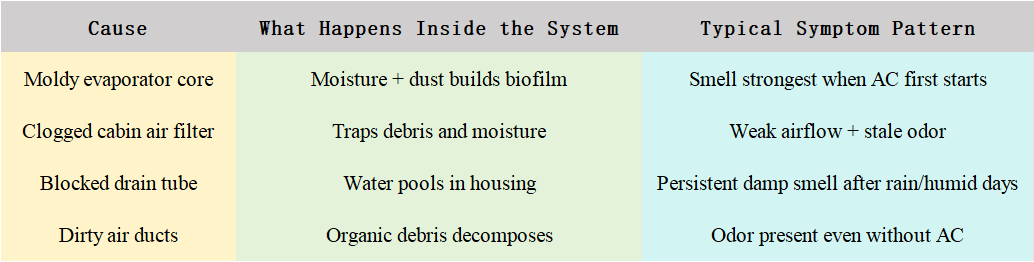
Each of these issues is moisture-related, which is why the smell often appears in summer or after rainy weather.
Cause 1: Mold Growth on the Evaporator Core
The evaporator core is the most common source of a musty car AC smell. As the system cools the air, moisture naturally forms on its surface. If the vehicle is used mainly for short trips or in humid weather, the evaporator may never dry completely. Dust and debris stick to the damp fins, creating an ideal environment for mold and bacteria. Over time, these microorganisms produce the unpleasant "dirty sock" odor that many drivers notice when the air conditioner is first switched on. If the smell fades after a few minutes of driving, the evaporator core is often the culprit.
Cause 2: A Saturated Cabin Air Filter
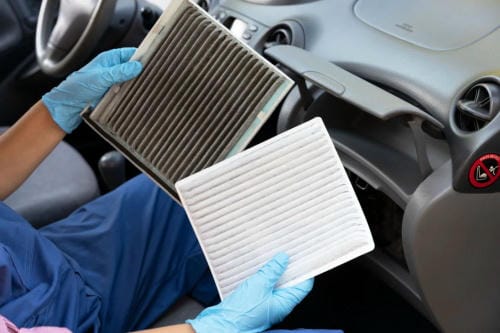
The cabin air filter removes dust, pollen, leaves, and other airborne particles before they enter the passenger compartment. However, after months of use, the filter can become clogged and damp, especially in humid climates. Moisture combined with trapped organic material allows mold and mildew to grow inside the filter itself. Besides creating unpleasant odors, a dirty filter can also reduce airflow from the vents. Replacing the cabin air filter once a year is a simple and inexpensive way to improve both air quality and AC performance.
Cause 3: A Blocked Condensate Drain Tube
A functioning air conditioning system produces a significant amount of condensation, which normally drains underneath the vehicle through a small tube. If this drain becomes blocked by dirt or debris, water collects inside the HVAC housing instead of flowing out. Standing water quickly develops bacteria and mold, leading to a persistent musty smell every time the fan operates. In severe cases, excess moisture may even leak onto the passenger-side floor. Clearing the drain tube often eliminates the source of the odor.
Cause 4: Moisture Inside the Cabin and Air Ducts
Sometimes the smell does not come directly from the AC components but from moisture trapped elsewhere in the vehicle. Wet carpets, soaked floor mats, leaking door seals, or clogged sunroof drains can all create damp conditions that encourage mold growth. The ventilation system then circulates these odors throughout the cabin. Family vehicles are particularly vulnerable because they often carry wet shoes, sports equipment, or spilled drinks. If the interior remains damp, the smell may return even after the AC system has been cleaned, making it important to address the underlying moisture problem.
How to Fix Musty AC Smell Fast (Step-by-Step Reality-Based Method)
The good news is that most musty air conditioner odors can be eliminated without major repairs. Professional technicians often follow a simple process that targets the most common sources of moisture and mold. Working through these steps one by one gives you the best chance of restoring fresh air inside the cabin.
Step 1: Replace the Cabin Air Filter
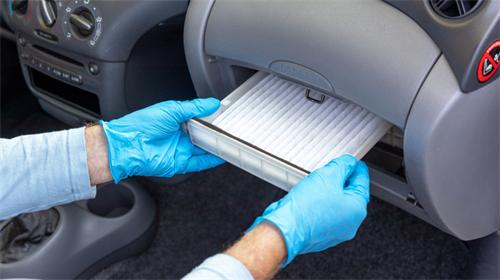
Start by checking the cabin air filter, which is usually located behind the glove compartment. Remove it and inspect its condition. If it looks dirty, smells damp, or is covered with dust and leaves, replacing it is usually a better option than trying to clean it. A fresh filter can immediately improve airflow and reduce unpleasant odors.
Step 2: Dry Out the AC System
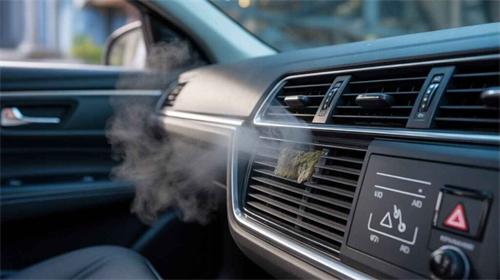
A simple habit can help prevent moisture from staying inside the evaporator. A few minutes before reaching your destination, switch off the air conditioning but leave the blower fan running. The moving air helps dry the evaporator core, reducing the damp environment where mold and mildew tend to develop.
Step 3: Clean the Evaporator Core
If the smell continues, use an automotive evaporator cleaner designed for air conditioning systems. These products are made to break down mold, bacteria, and accumulated residue inside the evaporator housing. Follow the instructions carefully, as some cleaners are applied through the air intake while others are inserted through the drain opening.
Step 4: Inspect the Drain Tube
Check that condensation is draining properly from the vehicle. After running the AC for several minutes, you should normally see water dripping underneath the car. If no water appears, the drain tube could be partially blocked, allowing moisture to collect inside the system. Clearing the blockage can often solve recurring odor problems.
Step 5: Freshen the Cabin Interior
Finally, clean the air vents, dashboard surfaces, and carpets, paying special attention to areas that may hold moisture. Damp floor mats or hidden spills can contribute to stale smells that circulate through the ventilation system. Keeping the interior dry helps prevent the odor from returning after the AC has been cleaned.
A Typical Repair Outcome Timeline
Here is what drivers commonly experience after proper cleaning:
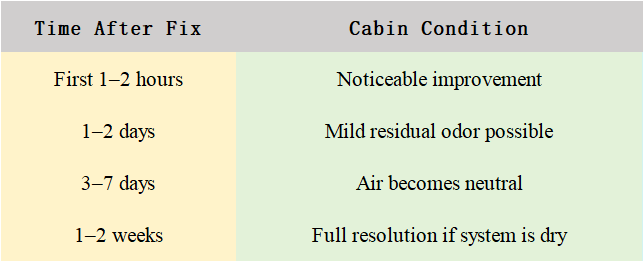
If the smell returns within days, the evaporator core is likely heavily contaminated and may require professional cleaning.
Prevention: The Habit That Matters Most
The most effective long-term prevention is simple:
Dry the system before shutting off the car.
That one habit alone reduces mold growth significantly because it prevents standing moisture inside the evaporator housing. Other helpful habits:
● Replace cabin filter annually
● Avoid constantly using “recirculation” mode in humid weather
● Run fan-only mode occasionally
(This article is for informational purposes only and is not a substitute for professional automotive diagnosis or repair. If persistent odors continue after cleaning and filter replacement, consult a certified automotive HVAC technician to inspect the evaporator core and drainage system.)
FQAs
1. Is a musty AC smell harmful to breathe?
In most cases it is not immediately dangerous, but prolonged exposure to mold spores or bacteria can trigger allergies, irritation, or respiratory discomfort in sensitive individuals.
2. Why does my AC smell only when I first turn it on?
This usually indicates mold buildup on the evaporator core. The first airflow pushes concentrated odor out, which then weakens as fresh air circulates through the system.
3. Can I permanently fix a musty AC smell without replacing parts?
Yes, in many cases cleaning the evaporator, replacing the cabin filter, and ensuring proper drainage resolves the issue. Severe contamination may require professional deep cleaning.
About Author
Jamie Caldwell is an automotive systems writer specializing in vehicle comfort and HVAC diagnostics. With a background in mechanical systems analysis and family-oriented vehicle maintenance education, Jamie focuses on translating technical automotive issues into practical, real-world solutions for everyday drivers.
References
Consumer Reports. (2025). How to get rid of musty smell from your car’s air conditioner.
StayKool. (2025). Musty smell from car vents: Causes & prevention tips.
AutoNation Mobile Service. (2025). Musty smell car AC: Causes and solutions.
EngineerFix. (2025). Why does my car air conditioner smell?.
If you regularly deal with small but frustrating car issues like this, staying informed about preventive maintenance can make every drive noticeably more comfortable.