


How to Make Small Cars Feel Roomier Without Buying a New Vehicle
June 16, 2026
Key Points:
● Small cars often feel cramped because of clutter rather than actual size limitations.
● Smart organization can dramatically improve comfort for parents and children.
● Proper seat positioning can create more usable space throughout the cabin.
● Vertical storage solutions maximize every inch of available room.
● Most improvements cost far less than upgrading to a larger vehicle.
Estimated Reading Time: 11 Minutes┃Post by: Avery Rowan
Many parents assume that once children arrive, a larger vehicle becomes a necessity. A stroller, diaper bag, groceries, sports equipment, and everyday family essentials can quickly make a compact car feel crowded. Yet in many cases, the issue is not the actual size of the vehicle but how the available space is being used.
Compact cars are designed to balance efficiency, maneuverability, and practicality. According to vehicle classification standards, compact cars typically provide between 100 and 109 cubic feet of combined passenger and cargo volume, making them suitable for many families when organized effectively.
Consider a typical school-day morning. A parent loads a stroller into the trunk, tosses backpacks onto the rear seat, leaves reusable shopping bags in the footwell, and stores sports gear behind the driver's seat. By the end of the week, the vehicle feels packed. However, if those same items are organized strategically, the car often feels noticeably larger without adding a single inch of physical space.
The good news is that improving comfort and usability inside a small car does not require purchasing a larger SUV or minivan. With a few practical adjustments, families can create a more spacious, comfortable environment while keeping ownership costs low.
Why Small Cars Feel Smaller Than They Really Are
Human perception plays a significant role in how we experience interior space. A vehicle filled with scattered items often feels much smaller than an identical vehicle that is organized.
Many drivers underestimate how much space is consumed by everyday clutter. Groceries rolling around the trunk, children's toys on the floor, charging cables tangled across the center console, and bags occupying seats all reduce usable room and create visual congestion. Experts who study compact vehicle organization note that clutter often contributes more to discomfort than actual vehicle dimensions.
The table below illustrates how common family items can affect perceived interior space.
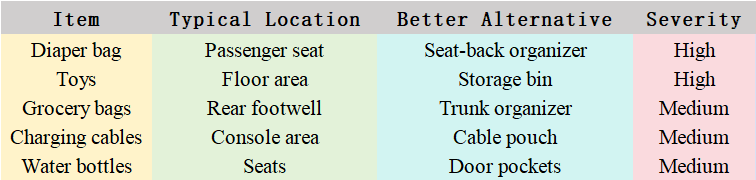
When these items are stored properly, passengers regain legroom, visibility improves, and the cabin feels significantly more open.
Begin With the Driver's Seating Position
One of the easiest ways to improve comfort costs absolutely nothing.
Many drivers never adjust their seating position after initially setting it. Over time, habits develop that may reduce comfort and make the interior feel more cramped than necessary.
Proper ergonomic positioning can improve visibility while creating additional room for rear passengers.
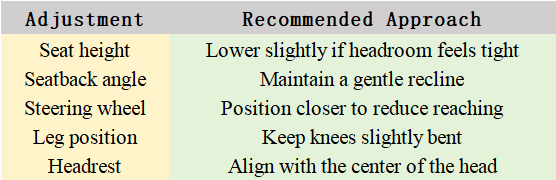
Moving the driver's seat forward by even one inch can provide meaningful additional space for a child seated directly behind. Parents often discover that small adjustments dramatically improve comfort during longer trips.
Remove Items That Do Not Belong in the Vehicle
Many family cars gradually become storage units on wheels.
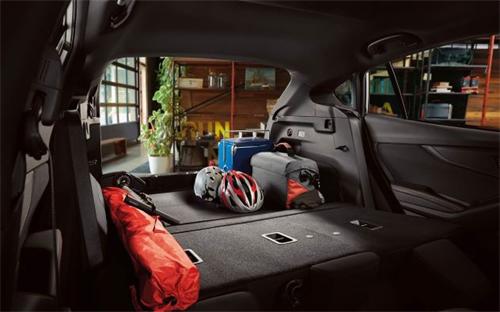
A useful exercise is to empty the entire vehicle and sort everything into two categories: items that genuinely need to remain in the car and items that have simply accumulated over time.
Essential items often include:
● Vehicle registration documents
● Emergency roadside supplies
● First-aid kit
● Tire inflator
● Jumper cables
● Phone charger
Items that often accumulate unnecessarily include:
● Old shopping bags
● Outgrown children's clothing
● Broken toys
● Expired snacks
● Seasonal sports equipment
● Duplicate supplies
Organization experts consistently recommend regular decluttering because limited cabin space magnifies the impact of even small amounts of unnecessary clutter.
Many families are surprised to discover how much usable room returns after removing items that have not been used for months.
Think Vertically Instead of Horizontally
One of the most effective strategies for compact vehicles is utilizing vertical space.
Most drivers focus on floors, seats, and cargo areas while ignoring the backs of seats, door pockets, and side panels. Experts frequently recommend maximizing vertical storage because it preserves valuable floor space and passenger legroom.
Consider the following opportunities:
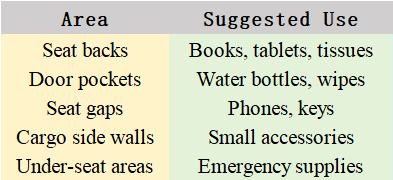
For families, seat-back organizers can be particularly effective. They allow children to store books, coloring supplies, snacks, and travel games without occupying valuable seating space.
The result is a cleaner cabin and a more organized travel experience.
Create Functional Zones Inside the Car
Families often place items wherever there happens to be room. Over time, this approach creates confusion and clutter. Instead, designate specific zones for specific purposes.
The driver's area might contain documents, sunglasses, and charging cables. The children's area can contain entertainment items, snacks, and water bottles. Cargo areas should be reserved for groceries, sports equipment, and larger items.
A simple zoning system may look like this:
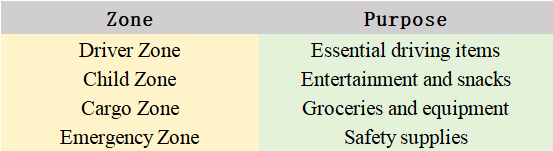
Interior organization specialists note that assigning dedicated functions to different areas helps prevent clutter from spreading throughout the vehicle.
When every item has a designated location, cleanup becomes much easier.
Make the Trunk Work Harder
Compact cars generally offer between 12 and 14 cubic feet of trunk space, depending on the model. While this may seem limited, efficient organization can dramatically increase usability.
A common mistake is allowing items to remain loose in the trunk.
A better approach is to use compartments and grouping systems.
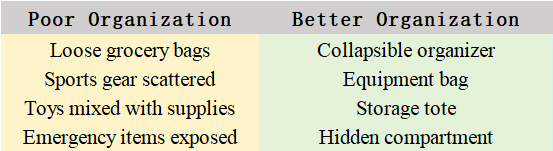
Experts recommend treating the trunk more like a closet than a dumping area. Collapsible organizers, side nets, and under-floor storage compartments can significantly improve cargo management.
Many parents find that reorganizing the trunk creates enough room for a stroller, grocery run, and sports equipment simultaneously.
Improve the Feeling of Space Through Visibility
Not all spaciousness is physical. Much of it is psychological.
Research into vehicle comfort suggests that our perception of space is heavily influenced by visual openness and environmental organization.
A car with clean windows, unobstructed sightlines, and minimal visual clutter often feels significantly larger than one filled with accessories and loose items.
Simple improvements include:
● Cleaning windows regularly
● Removing dashboard clutter
● Avoiding large hanging decorations
● Keeping cargo below window level
● Maintaining tidy surfaces
Organization specialists frequently note that visual simplicity contributes to the perception of a larger interior.
When Upgrading Actually Makes Sense
Not every family can remain comfortable in a compact car forever.
There are situations where additional space becomes necessary, including transporting three or more child seats, carrying specialized mobility equipment, or regularly traveling with substantial cargo.
However, many families upgrade earlier than necessary. Numerous modern compact vehicles provide enough passenger room and practicality to handle everyday family responsibilities when organized effectively.
Before committing to the significant expense of purchasing a larger vehicle, it may be worth evaluating whether better organization could solve the problem first.
Conclusion
Making a small car feel roomier does not require expensive modifications or a trip to the dealership. In many cases, the solution is simply using existing space more effectively.

Decluttering regularly, organizing storage zones, utilizing vertical space, improving seat positioning, and maintaining a structured cargo area can dramatically improve comfort for both parents and children.
The dimensions of the vehicle remain the same, but the driving experience changes completely. A compact car that feels cramped and stressful can become organized, comfortable, and practical through a series of small, affordable improvements.
Before deciding that your family has outgrown its current vehicle, spend a weekend reorganizing it. You may discover that much of the space you thought was missing was actually there all along.
(This article is intended for educational and informational purposes only. Vehicle dimensions, storage capacity, and seating configurations vary by manufacturer and model year. Always consult your owner's manual and child-seat instructions before making adjustments that could affect vehicle safety or passenger comfort.)
FAQs
1. Can two children comfortably fit in a compact car?
Yes. Many compact cars can comfortably accommodate two children when storage is managed efficiently and unnecessary clutter is removed.
2. What is the cheapest way to make a small car feel bigger?
Regular decluttering and assigning dedicated storage zones typically provide the greatest improvement with no financial investment.
3. Are compact SUVs always more practical than compact sedans?
Not necessarily. Some compact sedans offer highly efficient interior packaging and cargo solutions that meet the needs of many families.
About Author
Avery Rowan is a family transportation writer specializing in vehicle organization, family travel logistics, and practical automotive solutions. Avery has spent more than a decade researching how families can maximize comfort, efficiency, and usability in everyday vehicles without significantly increasing ownership costs.
References
Betten Auto Group. (2026). Compact vs. Midsize vs. Subcompact Cars: Size Differences Explained.
CARVEO. (2025). Smart Car Organization for Small Vehicles: How to Maximize Every Inch of Space.
Park, O. (2026). Small Sedan, Big Family: Maximizing Space Inside Compact Cars.
Alibaba Insights. (2026). Small Sedan, Big Family: Maximizing Space Inside Compact Cars.