


How to Reduce Wind Noise in Older Vehicles
June 11, 2026
In this Article:
● Wind noise in older vehicles can make family drives uncomfortable.
● Simple fixes like sealing door gaps can significantly reduce cabin noise.
● Replacing worn weatherstripping and window seals prevents whistling sounds.
● Aerodynamic accessories like deflectors improve airflow around the cabin.
● Regular maintenance checks help maintain a quiet driving environment.

Estimated Reading Time: 12 minutes┃Post by: Harper Lane
Wind noise in older vehicles is rarely a single, obvious defect. It tends to emerge gradually, often so slowly that drivers adapt to it without noticing how loud the cabin has become until a highway trip makes conversation difficult or children in the back start complaining that “the car is too loud.” At speeds above 45–55 mph, air pressure differences around the body of the vehicle intensify small imperfections in sealing systems. These imperfections—often only a millimeter wide—become high-velocity air channels that generate whistling, hissing, or low-frequency buffeting sounds.
In practice, reducing wind noise is less about “soundproofing” in a strict sense and more about restoring the vehicle’s aerodynamic integrity and sealing performance. Research into cabin acoustics shows that wind intrusion is one of the dominant contributors to perceived noise fatigue in older cars, especially those with degraded rubber components or misaligned doors.

How Wind Noise Enters the Cabin
Airflow becomes turbulent when it passes uneven surfaces or small gaps in the vehicle’s structure. Modern vehicles are engineered with tight panel tolerances and acoustic sealing layers, but older vehicles often rely on rubber components that degrade over time due to UV exposure, temperature cycling, and compression fatigue.
Wind noise typically enters through:
● Door perimeter seals
● Window run channels
● Side mirror bases
● Windshield or rear glass edges
● Sunroof gasket systems (if equipped)
A key concept is that wind noise is not just “air leaking in,” but air being forced through irregular openings under pressure, which causes vibration of nearby trim pieces and panels. That vibration amplifies the sound inside the cabin.
A simplified breakdown of intrusion severity:
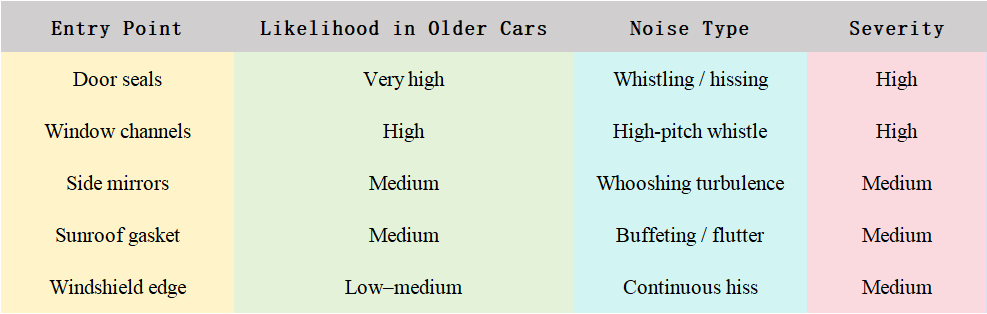
Even a small misalignment in a door latch system can prevent full compression of the weatherstrip, leaving a gap invisible to the eye but acoustically significant.
Identify the Source
The first step to reducing wind noise is understanding where it comes from. Most older vehicles experience noise from a combination of gaps in seals, deteriorated weatherstripping, and worn-out door frames. A practical way to test this is to drive at a steady speed of 50–60 mph on a quiet road and note where the noise is loudest.
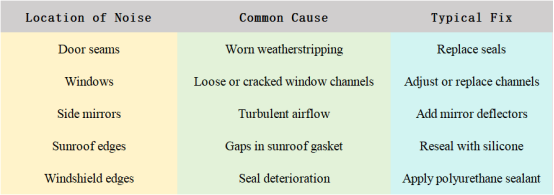
By systematically checking these points, you can isolate problem areas and address them individually rather than trying to overhaul the car blindly.
Replace Worn Weatherstripping
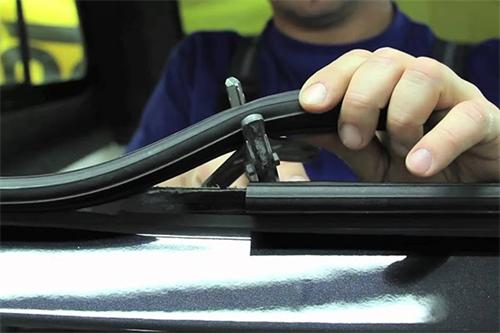
One of the most effective ways to reduce wind noise is replacing old or brittle weatherstripping. Over time, rubber seals dry out and lose elasticity, leaving tiny gaps for air to sneak through. A complete replacement of door and window seals in a mid-sized sedan typically costs between $150–$250, but the improvement in cabin quietness is often dramatic. For families with young children, the reduced background noise can make car rides calmer and less stressful.
Use Silicone Lubricants
After replacing weatherstripping, applying a silicone-based lubricant to all rubber seals helps maintain flexibility and longevity. Not only does this prevent squeaking and friction, but it also enhances the seal’s ability to block airflow. A small tube of silicone lubricant costs under $10 and can last for several months with regular application.
Install Wind Deflectors
For vehicles prone to side mirror or sunroof turbulence, installing aftermarket wind deflectors is a practical solution. These accessories redirect airflow around the cabin, reducing whistling sounds. Deflectors typically cost $40–$80 for a set and are easy to install without professional tools.
Inspect Door Alignment
Older vehicles sometimes develop slight misalignments in doors or hatches due to age or repeated use. Misaligned doors can leave uneven gaps, which amplify wind noise. Checking alignment is simple: close each door slowly and observe whether it sits flush against the frame. If gaps are present, adjustments can often be made via hinge screws or professional realignment services costing $50–$100 per door.

Window Seals and Channels
Windows that do not close tightly against their channels are frequent culprits in whistling or rushing air noises. If adjusting the window doesn’t solve the issue, replacing worn channels can cost $60–$150 per side. Some DIY enthusiasts find that cleaning debris and applying a small amount of silicone grease to the channels dramatically reduces noise.
Additional Considerations
Sunroof maintenance: Older sunroofs often develop minor leaks or loose gaskets. Inspect and reseal them as needed.
Windshield seal checks: Examine the edges for cracks or separation; sealing these can prevent drafty conditions.
Interior insulation: Adding aftermarket foam or sound-deadening mats in door panels and the floor can further reduce ambient noise.
A realistic expectation is that combining these methods can reduce wind noise by 50–70%, though a completely silent cabin is unlikely in older vehicles.
(This article is intended for general informational purposes only. Vehicle conditions vary widely based on age, maintenance history, and manufacturing design. Always consult a qualified automotive technician before performing structural or safety-related modifications. The author is not responsible for damage resulting from improper installation or diagnostic errors.)
FAQs
1. Can temporary fixes like weatherstrip tape work for wind noise?
Yes, temporary tape can reduce minor whistling, but it’s not a long-term solution. Rubber or silicone replacements are far more durable.
2. Are professional services necessary for older cars?
Not always. Many solutions, such as weatherstripping replacement and silicone lubrication, are DIY-friendly. Misaligned doors or seals might require a professional.
3. Does reducing wind noise improve fuel efficiency?
Only marginally. Smoother airflow can slightly reduce drag, but the primary benefit is comfort and reduced cabin noise.
About Author
Harper Lane is an automotive enthusiast and parenting blogger who has spent over a decade exploring practical solutions for family vehicles. Her work focuses on making car travel safer, quieter, and more enjoyable for families on the go. Harper combines hands-on experience with research to provide realistic, actionable advice that parents can trust.
References
CarParts.com Research Team. (2024). Wind buffeting and wind noise: Causes and prevention.
EngineerFix. (2025). Why is my car making wind noise?
Resonix Sound Solutions. (2026). Automotive sound deadening material buyer’s guide.
ScienceInsights. (2026). How to make a car quieter: What actually works.
Keep exploring this blog to find more practical tips that make every family drive smoother, safer, and more enjoyable.