



Why Dealers Are Pushing Longer Loan Terms — and When That Becomes Dangerous
June 6, 2026
Key Points:
● Dealers promote longer loan terms mainly to reduce monthly payments and increase vehicle affordability on paper.
● Longer loans often increase total interest paid even when the interest rate looks similar.
● Stretching payments slows equity building, which increases the risk of being “upside down.”
● Negative equity becomes dangerous when trading in or if the car is totaled early in the loan.
● The safest strategy is aligning loan term with depreciation speed and personal cash flow discipline.

Estimated Reading Time: 10 minutes┃Post by: Marcus Ellery
Longer auto loan terms—72, 84, and even 96 months—have become increasingly common at dealerships across the automotive market. Their popularity stems from a simple reality: extending the loan term lowers the monthly payment, making expensive vehicles appear more affordable to buyers. While this approach can help consumers fit a vehicle into their monthly budget, it also introduces risks that may not become visible until years later. Many buyers discover these risks when they attempt to trade in their vehicle, refinance their loan, or deal with an unexpected accident.
This article examines why dealerships actively promote longer financing terms, how these loans affect the true cost of vehicle ownership, and the circumstances under which they can lead buyers into financially dangerous upside-down loan situations.
Why Dealers Actively Promote Longer Loan Terms
The modern dealership focuses heavily on making transactions happen. One of the easiest ways to accomplish this is by reducing the monthly payment buyers see during the negotiation process. Longer loan terms allow dealerships to present vehicles that may have seemed unaffordable under a traditional 48- or 60-month loan structure.
Most consumers shop based on monthly payment rather than total vehicle cost. When a dealership can reduce a payment by extending a loan from 60 months to 84 months, the vehicle immediately appears more attainable. A buyer who may hesitate at an $810 monthly payment could feel comfortable signing for a payment closer to $630, even though the total amount paid over the life of the loan will be significantly higher.

Longer terms also help lenders approve more customers. Lower monthly payments improve debt-to-income calculations and can make financing available to borrowers who might not qualify under shorter loan structures. As vehicle prices continue to rise, extended financing has become one of the primary tools used to keep sales moving.
Dealerships and lenders also benefit financially from longer financing agreements. Extended terms generally result in higher total interest payments over time and often create opportunities to sell additional products such as extended warranties, service contracts, and gap insurance. From a business perspective, longer loans can increase profitability while expanding the pool of eligible buyers.
The Hidden Cost: Total Interest and Loan Amortization Drift
Although a longer loan reduces the monthly payment, it increases the amount of time interest accumulates. Many buyers focus on affordability in the present and overlook the additional cost created by extending the repayment period.
Auto loans are structured so that a large portion of the early payments goes toward interest rather than principal. As a result, borrowers reduce their loan balance slowly during the first years of ownership. This effect becomes more pronounced as the loan term grows longer.
Consider a vehicle financed for approximately $40,000. A shorter loan may carry a higher monthly payment but can save thousands of dollars in interest over the life of the agreement. By comparison, an 84-month loan often produces a much lower monthly obligation while adding several thousand dollars in financing costs.

While the monthly savings may appear attractive, the additional interest paid over several years effectively becomes the hidden cost of making the vehicle seem affordable.
The Core Risk: Negative Equity (“Being Upside Down”)
The greatest danger associated with long-term financing is not necessarily the interest expense. The larger problem is the mismatch between how quickly vehicles lose value and how slowly loan balances decline.
Most vehicles experience substantial depreciation during their first few years on the road. A new vehicle can lose roughly 20 to 30 percent of its value during the first year alone, with many models losing nearly half of their original value within the first three years.
At the same time, borrowers with long loan terms are still paying down their principal relatively slowly. This creates a situation where the remaining loan balance may exceed the vehicle's market value. When that happens, the borrower is considered upside down or underwater on the loan.
Negative equity becomes increasingly common as loan terms grow longer because the vehicle continues depreciating regardless of the repayment schedule. Buyers may discover that they owe thousands more than the car is worth even after making payments for several years.

The “Danger Zone” Scenarios Buyers Don’t Anticipate
Long loan terms become particularly risky when unexpected events occur during ownership.
One common scenario involves trading in a vehicle before the loan is fully paid off. Imagine a buyer who financed a vehicle with an 84-month loan and decides to trade it in after three years. The vehicle may be worth approximately $22,000, while the remaining loan balance could still be around $28,000. This leaves the owner with roughly $6,000 in negative equity.
Many buyers choose to roll this debt into their next vehicle loan. While this may allow the transaction to proceed, it creates a new problem. The buyer begins the next loan already carrying debt from the previous vehicle, often leading to a cycle of negative equity that becomes increasingly difficult to escape.
Another risk appears when a vehicle is totaled in an accident. Insurance companies typically reimburse based on the vehicle's market value rather than the remaining loan balance. If the borrower owes more than the car is worth, they may be responsible for paying the difference unless they purchased gap insurance.
Long-term loans also expose borrowers to life changes that are difficult to predict. Over six or seven years, employment situations, family expenses, housing costs, and economic conditions can change dramatically. A loan that seemed manageable at signing may become a burden years later.
Why “Lower Payment” Is Often Misleading
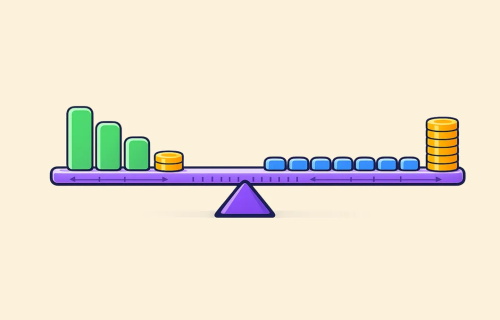
Lower monthly payments create a powerful psychological effect. Buyers naturally focus on whether a payment fits into their current budget, but this approach can obscure the total financial commitment involved.
Dealerships often frame affordability around monthly payment amounts because buyers tend to compare payments rather than overall costs. A reduction of $150 or $200 per month can feel significant, even when it adds thousands of dollars in interest and extends debt obligations for several additional years.
This creates what many financial analysts call a budget illusion. While the monthly payment decreases, the buyer remains in debt longer, pays more interest, and remains vulnerable to negative equity for a greater portion of the ownership cycle.
Long loan terms can also encourage continuous borrowing. Buyers who become accustomed to financing vehicles over extended periods may find themselves replacing vehicles before the previous loan is paid off, resulting in a cycle of recurring debt.
When Long Loan Terms Are Actually Rational
Despite their risks, long-term loans are not always a poor financial decision. In certain situations, they can serve a practical purpose.
When interest rates are exceptionally low, extending the loan term may allow buyers to preserve cash for investments, emergencies, or other financial priorities. In these circumstances, the additional interest cost may be relatively small compared to the benefits of maintaining liquidity.

Long loans can also make sense for buyers who intend to keep their vehicles for many years after the loan is paid off. Someone planning to own a reliable vehicle for ten years may be less concerned about temporary negative equity because they are unlikely to trade it in early.
Some households also prioritize financial flexibility. Maintaining a lower monthly obligation can provide a valuable cushion during uncertain economic periods, especially if the borrower has the discipline to avoid unnecessary vehicle upgrades.
Practical Strategy to Avoid Upside-Down Loans
The most effective way to avoid negative equity is to align financing decisions with realistic ownership plans.
For most buyers, loan terms between 36 and 60 months offer a reasonable balance between affordability and equity growth. Longer terms increase exposure to depreciation risk and should be approached carefully.
A substantial down payment can also dramatically reduce the likelihood of becoming upside down. By lowering the initial loan balance, buyers begin ownership with more equity and reduce the gap between what they owe and what the vehicle is worth.
Borrowers should also avoid rolling negative equity from one vehicle into another whenever possible. While doing so may make a trade-in easier in the short term, it often creates larger financial challenges later.
Finally, buyers should periodically review their equity position. Knowing whether a vehicle is worth more or less than the remaining loan balance can help owners make informed decisions before trading, refinancing, or purchasing another vehicle.
Conclusion
Dealers promote longer loan terms because they make vehicles appear more affordable, increase financing approvals, and support higher overall sales volumes. For buyers, however, these same loans can create significant financial risks when depreciation outpaces loan repayment.
The real danger emerges when borrowers focus exclusively on monthly payments and ignore the relationship between vehicle value and remaining loan balance. Long-term financing can be useful in the right circumstances, but it requires careful planning and a clear understanding of the costs involved.
By evaluating total borrowing costs, maintaining adequate down payments, and avoiding unnecessary trade-ins, buyers can enjoy the benefits of vehicle financing while minimizing the risk of becoming trapped in an upside-down loan.
(This article is intended for informational and educational purposes only and should not be considered financial, legal, or investment advice. Vehicle financing decisions should be based on individual circumstances, credit profiles, and financial goals. Readers are encouraged to consult qualified financial professionals before entering into any lending agreement.)
FQAs
1. Is an 84-month loan always a bad idea?
No. An 84-month loan can be reasonable when interest rates are low, the buyer has strong financial stability, and the vehicle will be kept for many years after the loan is paid off.
2. Why do borrowers become upside down so quickly?
Vehicles typically depreciate faster than loan balances decline during the early years of ownership, especially with long financing terms that prioritize interest payments over principal reduction.
3. Can negative equity be eliminated without selling the vehicle?
Yes. Making additional principal payments, keeping the vehicle longer, and allowing the loan balance to decline over time can eventually restore positive equity.
About Author
Marcus Ellery is an automotive finance analyst and automotive market researcher with more than a decade of experience studying vehicle depreciation, consumer lending trends, dealership finance strategies, and long-term ownership costs. His work focuses on helping everyday drivers understand the financial realities behind major vehicle purchasing decisions.
References
Consumer Reports. (2025). Don't rush into an 84-month auto loan.
NerdWallet. (2025). 5 reasons to avoid long car loans.
Road & Track. (2025). Long-term auto loans continue to gain popularity among buyers.
Stay on this blog a little longer and explore more in-depth articles that help you make smarter vehicle-buying, financing, and ownership decisions.
Recommended for you: