


Why Automakers Are Quietly Removing Physical Buttons — and What Drivers Lose
June 9, 2026
Key Takeaways:
● Many automakers are replacing physical buttons with touchscreen controls to reduce manufacturing complexity and create cleaner-looking interiors.
● Drivers often lose the ability to operate common functions by feel alone when buttons disappear.
● Research increasingly shows that touchscreen-heavy controls can increase distraction and visual demand while driving.
● Consumer feedback and safety organizations are encouraging manufacturers to restore certain physical controls.
● The future of vehicle interiors will likely combine digital screens with carefully selected physical switches and knobs.
Estimated Reading Time: 11 Minutes┃Post by: Ethan Mercer
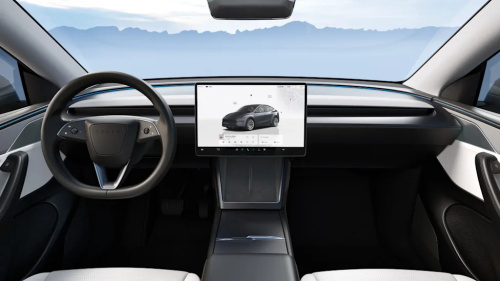
Step into a new vehicle showroom today, and one detail becomes immediately obvious. The dashboard that once contained dozens of buttons, switches, knobs, and dials has largely disappeared. Climate controls, seat settings, drive modes, navigation functions, audio adjustments, and even windshield-related features are increasingly controlled through a central touchscreen.
For many buyers, the change initially feels modern. Large displays resemble smartphones and tablets. The cabin appears cleaner and more futuristic. Manufacturers often showcase giant digital screens as a selling point during vehicle launches.
Yet many drivers discover something unexpected after several weeks of ownership. Tasks that once required a quick reach and a familiar button press now require looking at a screen, navigating menus, and confirming selections. The experience can feel less intuitive despite the technology being more advanced.
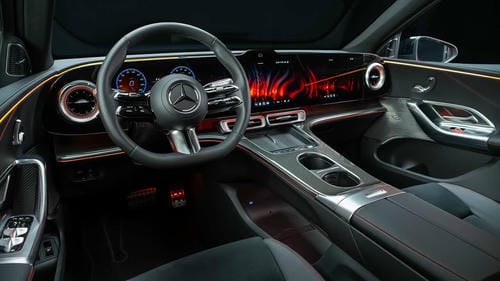
The disappearance of physical controls is not happening accidentally. It is the result of design trends, manufacturing economics, software integration, and the growing influence of electric vehicles. Understanding why this shift is occurring helps explain why many drivers feel that something valuable is being lost in modern vehicle interiors.
Why Automakers Are Removing Buttons
The first reason is surprisingly simple: cost.
Traditional dashboards require dozens of individual components. Every button needs wiring, connectors, testing procedures, quality control checks, and dedicated assembly processes. A touchscreen can replace many of these components with software.
Consider a simplified comparison.
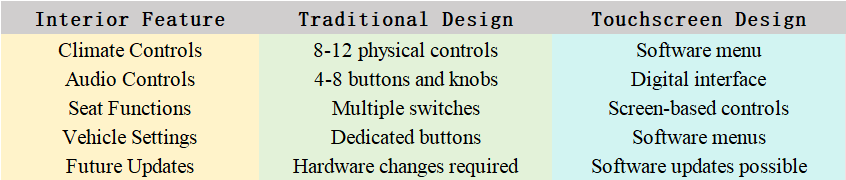
From a manufacturing perspective, software is often cheaper than hardware.
A manufacturer producing 500,000 vehicles annually may eliminate millions of physical parts by consolidating controls into a single screen-based system. Fewer components can mean reduced assembly complexity and lower production costs.
The second reason is design.
Modern automotive styling favors minimalism. Large screens create a futuristic appearance that photographs well in advertisements and social media content. A dashboard with only a few visible controls can appear more premium than one covered with dozens of buttons.
Electric vehicles accelerated this trend. Early EV manufacturers popularized clean interiors dominated by large displays. Traditional automakers soon followed.
The third reason involves software flexibility.
When controls exist digitally, manufacturers can update functions remotely through software updates. Features can be modified, relocated, or expanded without redesigning physical hardware.
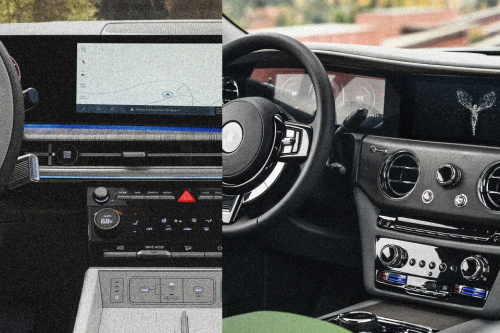
For example, a vehicle manufacturer may add new climate-control options, entertainment features, or energy-management settings through software updates years after the vehicle leaves the factory.
From an engineering perspective, this flexibility is extremely attractive.
What Drivers Actually Lose
The problem emerges when convenience for manufacturers conflicts with usability for drivers.
Physical buttons provide something touchscreens cannot easily replicate: tactile feedback.
A driver can adjust a traditional volume knob without looking away from traffic. They can locate a climate-control dial by feel. Muscle memory develops naturally over time.
Touchscreens remove these advantages.
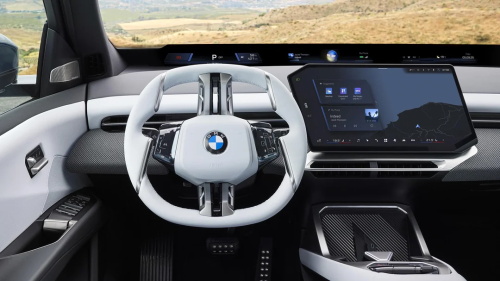
A flat glass surface feels identical everywhere. Drivers must often look at the display to confirm finger placement and ensure the correct control has been selected.
Researchers have repeatedly noted that touchscreen-based vehicle interfaces can increase visual demand because drivers cannot rely on tactile cues that physical controls naturally provide. Studies comparing touchscreens and physical buttons have found that physical controls generally reduce errors and allow easier operation without visual confirmation.
Research examining touchscreen interactions in vehicles continues to identify increased visual attention requirements compared with tactile controls. Multiple studies have linked touchscreen tasks to longer glances away from the roadway and higher distraction levels.
The Everyday Functions Most Affected
Not every vehicle function requires a physical button. Few drivers need immediate access to advanced vehicle configuration settings while driving. However, some controls are used constantly. The most commonly accessed vehicle functions include:
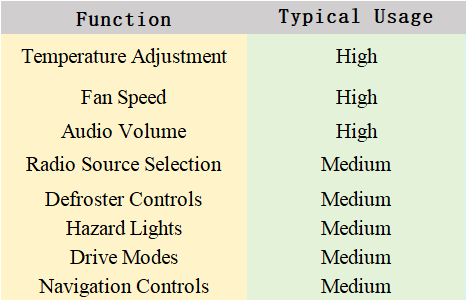
A 2025 study examining real-world vehicle control usage noted that drivers frequently interact with internal vehicle controls while driving, highlighting the importance of interface design and accessibility. The study also observed increasing complexity in modern HMIs as touchscreens replace physical controls and introduce layered menu structures.
When these frequently used functions become buried within multiple menu layers, the driving experience can become less efficient. This issue becomes especially noticeable during adverse conditions. Imagine driving through heavy rain. Activating a defroster should require minimal effort. Searching through touchscreen menus while visibility is already compromised creates additional cognitive workload. Physical controls often excel in exactly these high-pressure situations.
Why Some Manufacturers Are Changing Course
Interestingly, the industry appears to be reconsidering some of its earlier decisions.
Customer feedback has been remarkably consistent. Many drivers appreciate large screens for navigation, entertainment, and vehicle information. However, they often prefer physical controls for common tasks.
This distinction is important. The debate is not necessarily about eliminating screens. Instead, many drivers want a balanced approach.
Recent industry reports indicate that several manufacturers are moving back toward physical controls for frequently used functions after years of touchscreen-heavy designs. Safety concerns, usability complaints, and consumer feedback have all contributed to this shift.
Volkswagen executives publicly acknowledged customer dissatisfaction with touch-based controls and announced plans to restore physical buttons for key functions in future models. Consumer discussions across automotive communities similarly show strong support for tactile controls, particularly for climate systems, steering-wheel functions, and hazard lights.
This suggests that the market may be moving toward a hybrid approach rather than an all-screen future.
Safety Organizations Are Paying Attention
Safety organizations have also become increasingly interested in vehicle interface design.
One major concern involves the amount of time drivers spend looking away from the road while interacting with infotainment systems. European safety evaluators have announced that beginning in 2026, certain critical vehicle functions should be accessible through physical controls for manufacturers seeking top safety ratings. Functions such as indicators, hazard lights, wipers, horns, and emergency-related controls are among those receiving particular attention.
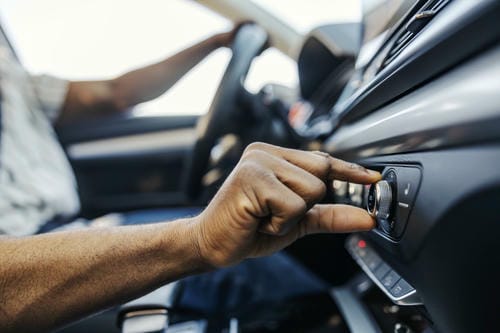
This does not mean touchscreens will disappear. Instead, regulators appear to be encouraging manufacturers to think carefully about which functions belong behind digital menus and which functions should remain immediately accessible. The distinction reflects a growing recognition that usability and safety are closely connected. A beautifully designed interface is not necessarily the most effective interface while driving.
The Psychology of Muscle Memory
One reason physical buttons remain popular is that humans are exceptionally good at developing muscle memory.
Think about how quickly people learn the location of keys on a keyboard. Most experienced typists no longer look at individual letters.
The same process occurs inside vehicles. After several weeks of ownership, drivers often memorize the location of frequently used controls. Volume knobs become familiar. Climate controls become automatic. Defroster buttons become instinctive.
Physical controls support this learning process because they occupy fixed locations and provide tactile confirmation. Touchscreens introduce challenges because software updates may change layouts, menus may vary between functions, and flat surfaces provide limited physical feedback. As a result, some tasks require visual confirmation even after months of ownership. Many drivers do not consciously notice this difference until they return to an older vehicle and realize how little visual attention traditional controls require.
(This article is intended for informational and educational purposes only. Vehicle designs, safety features, and interface technologies vary by manufacturer and model year. Drivers should always familiarize themselves with the controls of their specific vehicle and follow all applicable safety guidelines while operating a motor vehicle.)
FQAs
1. Are touchscreens cheaper for automakers than physical buttons?
Yes. Consolidating multiple functions into software can reduce component counts, wiring complexity, and manufacturing costs while simplifying future updates.
2. Do younger drivers prefer touchscreens?
Many younger drivers are comfortable with digital interfaces, but studies and consumer feedback show that convenience and safety concerns affect drivers across age groups.
3. Will physical buttons completely disappear from vehicles?
Current industry trends suggest the opposite. Several manufacturers are restoring physical controls for commonly used functions while retaining large screens for information and entertainment features.
About Author
Ethan Mercer is a fictional automotive technology analyst with more than fifteen years of experience studying vehicle ergonomics, driver behavior, infotainment systems, and automotive user-interface design. His work focuses on how emerging vehicle technologies affect everyday driving experiences and long-term usability.
References
Harms, I. M., Auerbach, D. A. M., Papadimitriou, E., & Hagenzieker, M. P. (2025). Frequently used vehicle controls while driving: A real-world driving study assessing internal human-machine interface task frequencies and influencing factors. Applied Sciences, 15(10), 5230.
Masseno, M., Lopes, I., Marques, R., Rebelo, F., Vilar, E., & Noriega, P. (2023). The impact of tangibility in the input of the secondary car controls: Touchscreens vs. physical buttons. Advances in Design and Digital Communication IV.
Euro NCAP. (2024). Future vehicle safety assessment criteria related to physical vehicle controls and driver interaction systems.
Stay a little longer on our blog and explore more practical automotive insights designed to help you understand the technology shaping the cars you drive every day.