


Why Compact Hybrids Are Quietly Becoming the Smartest Daily Drivers in 2026
June 20, 2026
Key Points:
● Compact hybrids are becoming one of the most practical vehicle choices for everyday commuting.
● Modern hybrid technology delivers excellent fuel economy without requiring charging.
● Many drivers can save thousands of dollars in fuel costs over the life of the vehicle.
● Compact hybrids combine easy parking, lower ownership costs, and modern technology.
● For many households, they represent the ideal balance between gasoline and electric vehicles.
Estimated Reading Time: 11 Minutes┃Post by: Rowan Mercer
The average commuter spends far more time sitting in traffic, navigating crowded parking lots, and making short daily trips than cruising on open highways. Yet many people continue purchasing vehicles that are larger, heavier, and more expensive than their everyday transportation needs actually require. As vehicle prices remain elevated and household budgets face increasing pressure, buyers are beginning to focus less on image and more on practicality.
This shift in consumer priorities is helping compact hybrids emerge as one of the smartest vehicle categories of 2026. While they rarely attract the same attention as luxury electric vehicles or high-performance SUVs, compact hybrids excel in the areas that matter most to daily drivers. They offer impressive fuel economy, low operating costs, modern safety technology, and the convenience of never needing to plug in. For commuters looking for a vehicle that simply makes financial and practical sense, compact hybrids are becoming increasingly difficult to ignore.
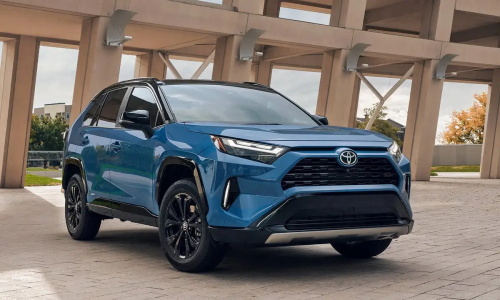
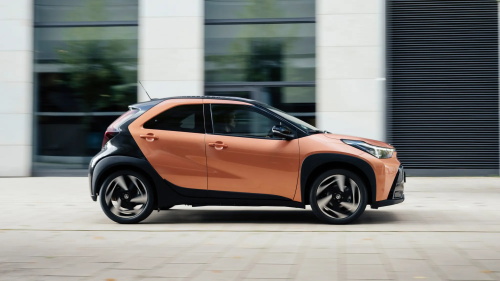
Consider several popular compact hybrid models currently available.
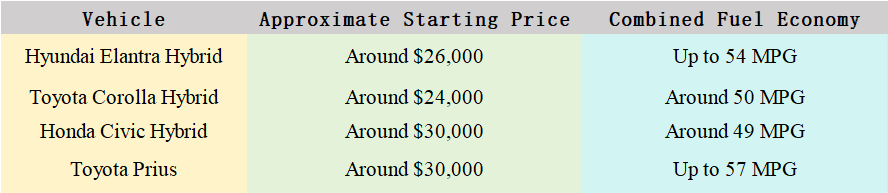
Several compact hybrids now achieve fuel economy figures approaching or exceeding 50 MPG while remaining affordable compared with many larger crossovers and SUVs.
For a commuter driving 15,000 miles annually, the difference becomes significant.

At $4 per gallon, the annual fuel costs would look approximately like this:
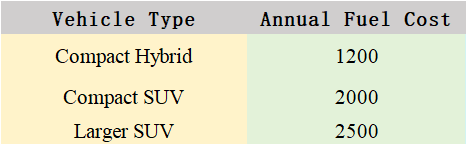
The long-term savings are even more impressive. Over five years, a driver could save more than $4,000 in fuel expenses alone. For households managing rising living costs, that amount can make a meaningful difference. Some drivers use the savings to offset financing costs, while others direct the money toward vacations, home improvements, emergency funds, or future vehicle purchases.
Why Compact Hybrids Fit Modern Commuting Better Than Ever
Fuel Efficiency: Why Every Mile Counts
Fuel economy has always been important, but it has become especially significant as transportation expenses continue to rise. Many commuters drive between 12,000 and 18,000 miles every year. Even small improvements in efficiency can produce meaningful savings.
A typical compact hybrid can achieve around 50 miles per gallon in combined driving. By comparison, many compact crossovers average roughly 30 miles per gallon, while larger SUVs often fall into the mid-20s. Over 15,000 miles, this can save hundreds of dollars annually. Over five years, a driver could save more than $4,000 in fuel expenses alone.
Convenience Compared to Electric Vehicles
Electric vehicles continue to grow in popularity, but many drivers still face practical barriers: apartment residents may lack convenient charging access, long-distance travelers worry about range, and some households lack dedicated parking spaces.
Compact hybrids solve these problems. Drivers never need to install chargers or plan trips around charging stations. The vehicle automatically manages the interaction between gasoline and electric power, delivering fuel savings without lifestyle disruption.
Size Matters: Parking and Maneuverability
Beyond fuel savings, compact hybrids offer a hidden advantage: manageable size. In congested cities, narrow streets, school pickup zones, and crowded parking lots, smaller vehicles reduce stress and save time. They are easier to park, easier to maneuver, and generally more agile than larger SUVs or crossovers.
Mature Hybrid Technology
Some consumers still recall early hybrid models as underpowered or quirky. Modern hybrid systems are dramatically different. They deliver smooth acceleration, quiet cabins, and seamless transitions between gasoline and electric power. Manufacturers have refined battery systems, software, and regenerative braking over decades, resulting in reliable, proven technology.
Advanced Features at Affordable Prices
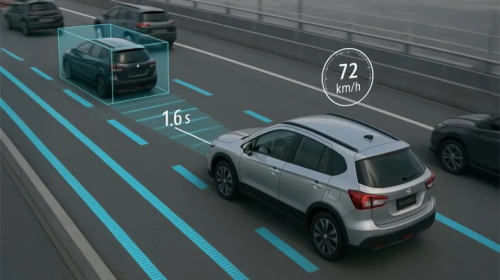
Modern compact hybrids are no longer “bare-bones” economy cars. Features such as adaptive cruise control, lane-keeping assistance, blind-spot monitoring, smartphone connectivity, and digital instrument panels are increasingly standard. This technology, combined with efficiency and reliability, makes hybrids practical for everyday driving without compromise.
The Financial Case for Compact Hybrids in 2026
Fuel savings are only part of the ownership equation. Compact hybrids can also provide financial benefits through reduced wear on certain components. Regenerative braking systems help slow the vehicle while recovering energy, reducing reliance on traditional friction brakes. As a result, brake pads and rotors often last longer than they do in comparable gasoline vehicles.
The gasoline engine also benefits from assistance provided by the electric motor. Because the engine is not required to work as hard during acceleration and low-speed driving, overall wear can be reduced. Although maintenance costs vary depending on driving habits and vehicle models, many owners report ownership expenses that compare favorably with traditional gasoline-powered vehicles.
Several broader market trends are also contributing to the popularity of compact hybrids. Vehicle prices remain relatively high compared with historical averages. Financing costs continue influencing purchasing decisions. Consumers are increasingly focused on total ownership costs rather than simply evaluating monthly payments.
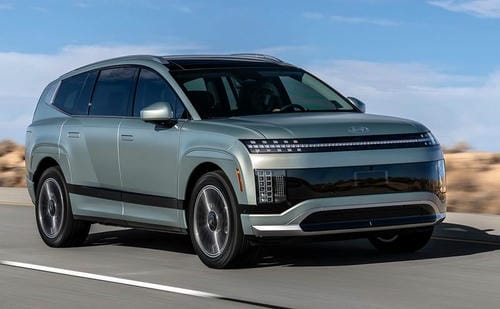
At the same time, compact hybrids have become far more sophisticated. Many models now include advanced safety technologies that were once reserved for luxury vehicles. Adaptive cruise control, lane-keeping assistance, automatic emergency braking, blind-spot monitoring, digital instrument panels, wireless smartphone integration, and advanced driver-assistance systems are becoming common features.
This combination of affordability, efficiency, practicality, and technology makes compact hybrids especially attractive in today's market. Instead of forcing buyers to choose between conventional gasoline vehicles and fully electric cars, hybrids offer a balanced solution that satisfies the needs of a wide range of drivers.
For many commuters, the ideal daily driver is not the fastest vehicle, the largest SUV, or the most luxurious model available. It is the vehicle that performs its job reliably, economically, and conveniently every single day. Compact hybrids excel in these areas. They reduce fuel consumption, minimize operating expenses, simplify urban driving, and provide modern technology without requiring significant lifestyle changes.
As consumers continue seeking smarter transportation solutions in 2026, compact hybrids are quietly establishing themselves as one of the most sensible vehicle choices on the market. They may not generate headlines like performance EVs or luxury crossovers, but for countless drivers, they represent the perfect balance of efficiency, practicality, and value.
(This article is intended for informational purposes only. Vehicle specifications, pricing, fuel economy figures, incentives, and ownership costs may vary depending on manufacturer updates, location, driving conditions, and market factors. Readers should verify current information with official manufacturers and authorized dealerships before making purchasing decisions.)
FQAs
1. Are hybrid vehicles suitable for long-distance travel?
Yes. Hybrid vehicles can travel long distances just like conventional gasoline vehicles and can be refueled at any standard gas station.
2. Do compact hybrids have enough interior space for families?
Many compact hybrids comfortably accommodate four to five passengers and provide sufficient cargo space for groceries, luggage, and everyday family activities.
3. How long do hybrid batteries typically last?
Most modern hybrid batteries are designed to last well beyond 100,000 miles, and many continue operating effectively for significantly longer periods under normal driving conditions.
About Author
Rowan Mercer is an automotive writer and vehicle ownership analyst who specializes in fuel efficiency, commuter transportation trends, and cost-of-ownership research. His work focuses on helping everyday drivers make informed vehicle purchasing decisions based on practical real-world considerations rather than marketing hype.
References
Green Car Reports. (2025). Hybrid Vehicle Market Trends and Fuel Economy Data.
MotorTrend. (2026). Compact Hybrid Comparison Tests.
U.S. Department of Energy. (2026). Hybrid and Plug-In Electric Vehicle Information.
Stay on this blog and explore more practical automotive insights designed to help you make smarter vehicle ownership decisions.
Recommended for you: