



Quick Fixes for Sticky Car Windows That Won’t Roll Smoothly
June 15, 2026
Key Highlights:
● Sticky car windows are often caused by dirt, dry seals, or poorly lubricated tracks.
● Simple cleaning can restore smooth window operation in many cases.
● Using the correct lubricant helps reduce friction and protects window components.
● Ignoring a slow window can strain the regulator and motor over time.
● Most sticky-window issues can be addressed in less than 30 minutes with basic supplies.
Estimated Reading Time: 11 minutes┃Post by: Avery Langford
You are already running late for school drop-off. Your child wants the window down to wave goodbye to a friend. You press the switch, and the glass creeps downward with a groan. A few minutes later, the window struggles even more on the way back up.
Many parents dismiss this as a minor annoyance. In reality, a sticky car window is often an early warning sign. Dirt, dried rubber, worn tracks, and insufficient lubrication can force the window motor and regulator to work harder than they should. Over time, that extra strain can lead to expensive repairs. Automotive maintenance sources consistently note that dirty tracks and lack of lubrication increase resistance and wear on window systems.
The good news is that many sticky-window problems can be improved with a few simple maintenance steps. Before paying for a new motor or regulator, it makes sense to try several quick fixes that cost very little and require only basic tools.
Why Car Windows Become Sticky
Modern power windows rely on several components working together:
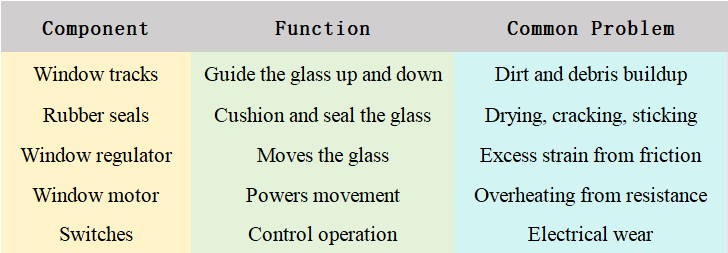
As dirt, pollen, road dust, and moisture accumulate inside the tracks, friction increases. Rubber seals may also dry out and grip the glass more tightly. These issues often appear gradually, making them easy to overlook until the window becomes noticeably slow.
Signs Your Window Needs Attention
Many drivers wait until the window barely moves. Looking for early symptoms can prevent larger repairs.
Common Warning Signs
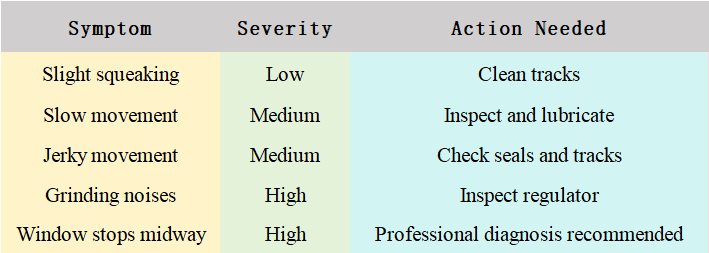
Maintenance experts identify sticking, unusual noises, increased resistance, and uneven movement as common indicators that cleaning and lubrication are needed.
Quick Fix #1: Clean the Window Tracks Thoroughly
This is often the most effective and least expensive solution.
Parents frequently transport children, snacks, sports equipment, and pets. Dust and debris can easily find their way into door channels.
Supplies Needed

Cleaning Procedure
1. Lower the window completely.
2. Inspect the visible tracks.
3. Vacuum loose dirt.
4. Use a soft brush to remove debris.
5. Wipe the tracks with a damp microfiber cloth.
6. Allow everything to dry.
Experts consistently recommend cleaning before applying lubricant because lubrication over dirt can create an even stickier buildup.
Quick Fix #2: Lubricate the Tracks Properly
Once the tracks are clean, lubrication becomes much more effective.
Window tracks naturally experience friction every time the glass moves. Over thousands of cycles, factory lubrication wears away.
Recommended Lubricants
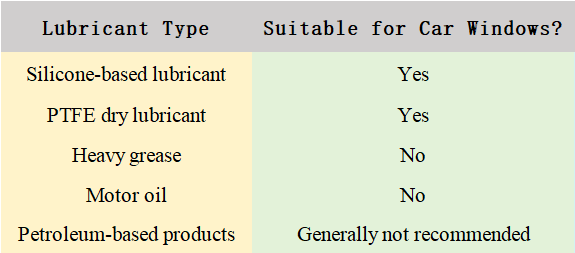
Automotive maintenance sources commonly recommend silicone-based products because they reduce friction while being safer for rubber components.
Application Steps
1. Lower the window.
2. Clean tracks first.
3. Apply a small amount of silicone lubricant.
Raise and lower the window several times.
5. Wipe away excess residue.
Many vehicle owners report smoother operation after working the lubricant through multiple window cycles.
Quick Fix #3: Condition the Rubber Seals
Rubber window seals gradually lose flexibility due to constant exposure to sunlight, heat cycles, dust, and moisture. As the material dries out, it begins to grip the glass more aggressively, which creates the “sticky” sensation when the window moves. In some cases, the seal may even produce light squeaking or leave faint streaks on the glass during operation. This is not just a comfort issue—it is an early indicator that the rubber is losing elasticity and increasing friction against the window surface.
When seals become dry, they may grip the glass instead of allowing it to slide freely. Several automotive repair sources identify dry rubber as a major contributor to squeaking and sticking windows.
Seal Maintenance Checklist
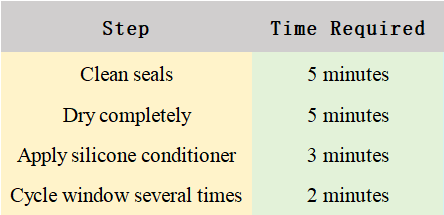
Total time: approximately 15 minutes.
Quick Fix #4: Inspect for Seasonal Problems
Parents often notice sticky windows during extreme weather.
Temperature Effects
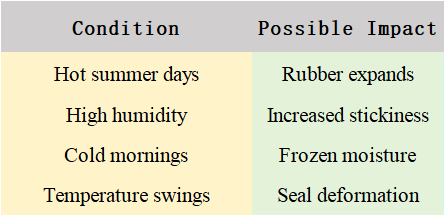
Community reports from vehicle owners frequently mention window sticking becoming worse during cold weather or periods of high heat.
If your window behaves normally in mild weather but struggles during temperature extremes, the issue may involve seals rather than mechanical components.
Quick Fix #5: Listen for Regulator Problems
Not every sticky window can be solved with cleaning.
The regulator is the mechanism inside the door that guides the glass. When regulators become worn or loose, the window may:
● Tilt sideways
● Move unevenly
● Produce clicking sounds
● Stop unexpectedly
Repair specialists note that damaged regulators can create resistance and irregular movement even when tracks are properly lubricated.
Symptoms of a Failing Regulator
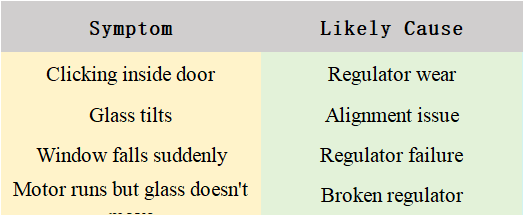
These issues generally require professional service.
A 20-Minute Weekend Maintenance Routine
A proper rubber seal conditioning routine does not need to be complicated, but it does need to be consistent. Start by cleaning the seals thoroughly with mild soap and water to remove dust, road grime, and any residue that builds up in the rubber channels. Once dry, inspect the seals closely for dryness, cracking, or stiffness—these are the early signs that friction is increasing between the glass and rubber. Automotive maintenance guidance consistently notes that dry or contaminated rubber is one of the main causes of slow or sticky window movement.
After cleaning, apply a silicone-based rubber conditioner in a light, even layer along the entire contact surface of the seal. The goal is to restore flexibility rather than saturate the material, since excess product can attract dirt and create new friction points. Once applied, raise and lower the window several times so the conditioner spreads evenly through the seal and the window channel. This step helps re-establish smooth sliding contact between the glass and rubber while reducing long-term wear on the window system.
Finally, wipe away any excess residue from the glass edges and surrounding trim to prevent buildup or smearing. At this stage, a quick test cycle—opening and closing the window a few times—confirms whether resistance has been reduced. If the window still feels sticky after conditioning, the issue is likely deeper than surface dryness and may involve dirty tracks or mechanical wear inside the regulator system.
Mistakes to Avoid
Mistake 1: Applying Lubricant to Dirty Tracks
This often creates a sticky paste that attracts even more debris. Cleaning should always come first.
Mistake 2: Using Too Much Product
More lubricant does not necessarily improve performance.
Excess lubricant can collect dirt and create additional maintenance problems.
Mistake 3: Ignoring Unusual Noises
Grinding or clicking sounds may indicate regulator issues rather than simple friction.
Mistake 4: Delaying Repairs
Minor resistance today may become a failed window motor months later.
A sticky car window may seem insignificant compared to the many responsibilities parents juggle each day. Yet small mechanical problems often become expensive repairs when ignored. Fortunately, most sticky-window issues begin with something simple: dirt-filled tracks, dry seals, or insufficient lubrication.
Cleaning the tracks, conditioning rubber seals, and applying the proper lubricant can restore smooth operation in many vehicles. More importantly, these quick fixes help reduce strain on regulators and motors, extending the life of the entire window system.
Spending twenty minutes on preventative maintenance today can help avoid a frustrating and costly repair tomorrow.
(This article is intended for educational and informational purposes only. Vehicle designs vary by manufacturer and model year. Always consult your vehicle owner's manual and follow manufacturer recommendations before performing maintenance. If you are uncertain about a repair procedure, seek assistance from a qualified automotive technician.)
FAQs
1. How often should I lubricate my car window tracks?
For most vehicles, inspecting the tracks every few months and lubricating when movement becomes less smooth is sufficient. Vehicles exposed to dust, pollen, or extreme weather may benefit from more frequent maintenance.
2. Can a sticky window damage the motor?
Yes. Increased friction forces the motor to work harder, which can accelerate wear and potentially lead to motor failure over time.
3. Why does my window work fine sometimes but stick on hot days?
Heat can cause rubber seals to expand and become tackier, increasing friction against the glass. Seasonal weather changes often influence window performance.
About Author
Avery Langford is a fictional automotive maintenance writer specializing in practical vehicle ownership and family transportation topics. With over a decade of experience researching preventive maintenance practices, Avery focuses on helping busy parents identify small vehicle problems before they become expensive repairs. His work emphasizes realistic maintenance routines, cost-conscious solutions, and long-term vehicle reliability.
References
CarParts.com Research Team. (2025, March 20). Why lubricate your car window tracks? When to do it, tips, and more. CarParts.com.
Engineer Fix. (2025). How to properly grease and lubricate window tracks. Engineer Fix.
Whitby Auto Glass. (2025). Why your car window is slow or squeaky and how to fix it.
Stay awhile and explore more articles on our blog for practical, family-friendly vehicle maintenance tips that help keep everyday driving stress-free.
Recommended for you: