


How to Avoid Headlight Glare for Oncoming Drivers
June 19, 2026
In this Article:
● Properly aimed headlights reduce glare for oncoming drivers.
● Clean headlight lenses improve visibility without increasing brightness.
● High beams should only be used when conditions allow.
● Vehicle load changes can affect headlight aim.
● Regular inspections help prevent dangerous nighttime driving situations.
Estimated Reading Time: 11 minutes┃Post by: Rowan Mercer
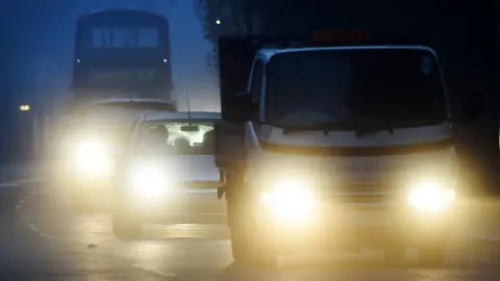
A driver traveling home after sunset on a two-lane highway suddenly flashes their headlights at an approaching vehicle. The approaching driver assumes the other motorist accidentally left their high beams on. In reality, the vehicle is operating on low beams, but the headlights are aimed too high. For several seconds, the oncoming driver struggles to see lane markings, roadside hazards, and approaching curves.
Situations like this occur every night on roads around the world. Headlight glare has become one of the most common nighttime driving complaints. Modern LED lighting systems, taller vehicles, improper headlight alignment, and aftermarket modifications all contribute to the issue. While brighter headlights help drivers see farther ahead, they can create serious problems when not properly managed. Understanding how glare affects others is one of the most important aspects of responsible nighttime driving.
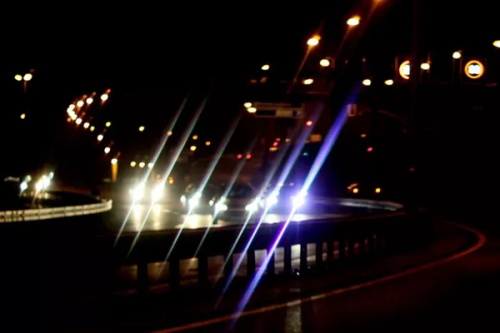
The good news is that preventing glare usually requires simple maintenance and better driving habits rather than expensive upgrades. A few routine checks can make roads safer for everyone while reducing the risk of accidents caused by temporary vision impairment.
What is the Headlight Glare?
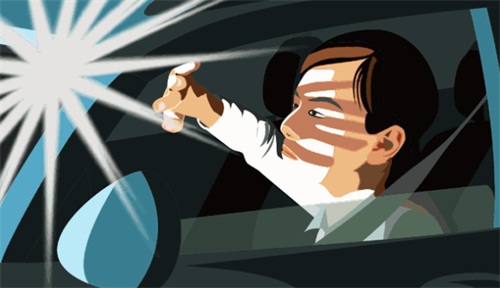
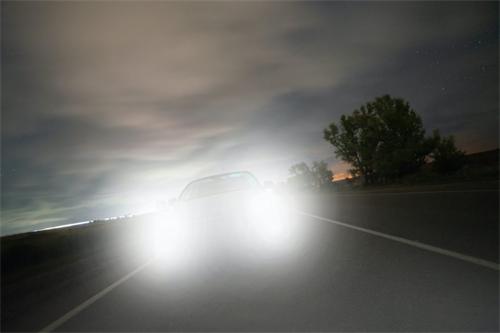
Headlight glare occurs when light from one vehicle interferes with another driver's ability to see clearly. Unlike normal illumination, glare directs excessive brightness into a driver's eyes, making it difficult to distinguish road details.
Night driving already reduces visibility. Human eyes require time to adapt to darkness, and excessive light can temporarily disrupt this adaptation process.
Common effects of glare include:
● Difficulty seeing lane markings
● Reduced visibility of pedestrians
● Delayed hazard recognition
● Temporary blindness lasting several seconds
● Increased eye fatigue during long trips
● Higher stress levels while driving
Even a few seconds of reduced visibility can become dangerous when vehicles are traveling at highway speeds.
Why Headlight Glare Has Become More Noticeable
Many drivers feel that modern headlights appear brighter than older systems. Several factors contribute to this perception:

LED Technology
Modern LED headlights produce a cleaner, whiter light than traditional halogen bulbs. This light often appears more intense even when it remains within legal brightness limits.
Taller Vehicles
Pickup trucks, SUVs, and crossovers now dominate many roads. Their headlights are mounted higher than those of sedans, increasing the likelihood that light reaches the eye level of oncoming drivers.
Improper Modifications
Some owners install aftermarket lighting systems without considering beam patterns, reflector design, or alignment requirements.
Poor Maintenance
Headlights can become misaligned over time due to suspension wear, accidents, or routine repairs.
Proper Headlight Alignment: The Most Important Step
One of the leading causes of unnecessary glare is incorrect headlight aim.
Headlights are engineered to illuminate the roadway while minimizing light directed toward oncoming traffic. When alignment changes even slightly, the beam pattern can shift upward.
Signs Your Headlights May Be Misaligned
● Other drivers frequently flash their headlights at you.
● Road signs appear unusually bright.
● You notice uneven illumination.
● One beam points higher than the other.
● You recently completed suspension work.
Common Causes of Misalignment
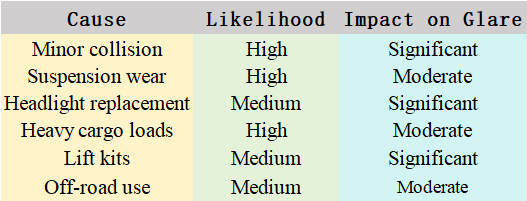
Many drivers never check alignment after these events.
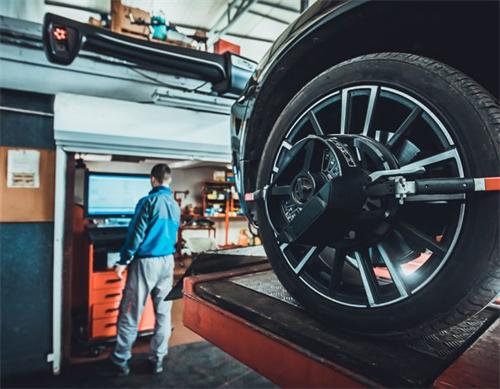
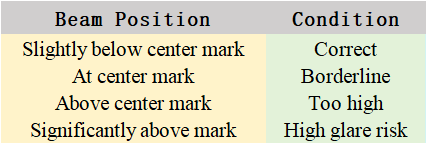
In most vehicles, the beam should appear slightly below the height marks. If the light is noticeably higher, professional adjustment may be necessary.
Typical Alignment Results
How to Check Headlight Alignment at Home
Drivers can perform a simple inspection without special tools.
Step 1: Find a Flat Surface
Park on level ground facing a wall or garage door.
Step 2: Position the Vehicle
Move approximately 25 feet away from the wall.
Step 3: Measure Headlight Height
Measure the distance from the ground to the center of each headlight.
Step 4: Mark the Wall
Use tape to mark both headlight heights.
Step 5: Turn On Low Beams
Observe where the brightest portion of the beam falls.
Avoid Poor Aftermarket Lighting Upgrades
Many drivers assume brighter bulbs automatically improve safety. Unfortunately, this is not always true.
Headlight housings are engineered around specific bulb designs. Installing incompatible LED or HID bulbs into a halogen housing can distort the beam pattern.
Common Upgrade Mistakes
● Installing oversized LED bulbs
● Using non-certified conversion kits
● Ignoring alignment after installation
● Mixing bulb types
● Using extremely high color temperatures
Comparison of Lighting Systems
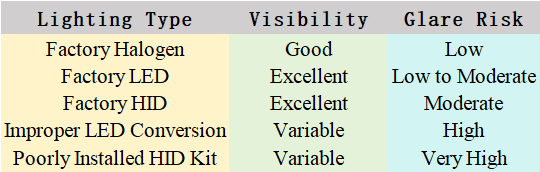
A properly designed factory system often performs better than a poorly executed aftermarket upgrade.
Reduce Mirror Glare for Other Drivers
Headlight courtesy extends beyond oncoming traffic.
Following too closely can create excessive glare through mirrors.
Safe Following Distances
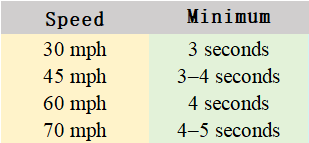
Maintaining appropriate spacing helps reduce discomfort for drivers ahead.
Practical Nighttime Driving Habits
Drivers can further reduce glare-related risks by adopting several simple habits.
Avoid Excessive Dashboard Brightness
A brightly illuminated interior reduces night vision adaptation.
Keep Windshields Clean
Dirty glass can magnify glare from other vehicles.
Replace Damaged Components Promptly
Cracked lenses and loose housings often create unpredictable light patterns.
Monitor Suspension Wear
Worn shocks and springs can alter headlight aim over time.
Perform Seasonal Inspections
Winter conditions frequently expose lighting problems due to salt buildup and harsh weather.
Avoiding headlight glare for oncoming drivers is one of the simplest yet most effective ways to improve road safety. Properly aligned headlights, clean lenses, responsible high-beam use, and careful attention to vehicle modifications help ensure that illumination stays focused on the roadway rather than in another driver's eyes.
Many glare-related problems develop gradually, making them difficult for vehicle owners to notice. However, routine inspections and a few minutes of preventative maintenance can dramatically reduce risks. Whether driving a compact sedan, family SUV, or heavy-duty pickup truck, every motorist shares responsibility for creating a safer nighttime driving environment.
A properly maintained lighting system not only helps you see the road ahead—it helps ensure that everyone else can see it too.
(This article is intended for informational and educational purposes only. Vehicle specifications, lighting systems, maintenance procedures, and legal requirements vary by manufacturer and region. Always consult your owner's manual and qualified automotive professionals before modifying or adjusting vehicle lighting systems.)
FAQs
1. Why do other drivers flash their headlights at me even when my high beams are off?
Your headlights may be misaligned, mounted unusually high, or equipped with bulbs that produce excessive glare despite operating on low-beam settings.
2. Can worn suspension components affect headlight glare?
Yes. Worn springs, shocks, or struts can alter vehicle ride height and change headlight aim, increasing glare for other drivers.
3. Are LED headlights always worse for glare?
No. Properly designed factory LED systems generally control glare well. Problems often arise from poor alignment, vehicle height differences, or improperly installed aftermarket conversions.
About Author
Rowan Mercer is a fictional automotive safety writer and former vehicle inspection consultant with more than 15 years of experience evaluating vehicle lighting systems, nighttime visibility performance, and road safety practices. His work focuses on helping drivers understand practical maintenance procedures that improve safety, comfort, and driving confidence.
References
American Automobile Association. (2026). New AAA survey: Six in ten drivers struggle with headlight glare.
American Automobile Association. (2026). What's the story with headlight glare?
Insurance Institute for Highway Safety. (2026). Headlights: About our tests.
National Highway Traffic Safety Administration. (2025). Drivers' perceptions of headlight glare from oncoming and following vehicles.
Road & Track. (2026). 6 in 10 American drivers say headlight glare is a serious issue.
Stay awhile and explore more articles on this blog to discover practical solutions that make every drive safer, easier, and more enjoyable.
Recommended for you: